
In my previous post about Athens I have tried to gather and provide as many details as possible of what you can see and do in this remarkable city. But as with any bustling metropolis, Athens also comes with its unique quirks and challenges. Remember that absolutely nothing is perfect and the principle of yin and yang. The purpose of this article is to bring awareness on the not-so-fancy side of visiting Athens or as I like to call it “Instagram vs reality”. You might have noticed, if you have had the patience to read some of my previous posts for which I am extremely thankful, that I am not trying to sugarcoat and that I am doing my best to present the places as accurate as I can and I will continue in this manner. If you’re planning a trip to this remarkable city, knowing what to expect—and how to keep yourself safe—will help you make the most of your visit.
Before You Go: Essential Insights for Visiting Athens
When to Visit
Athens is a city for all seasons, but the experience shifts with the weather. Summers (June to August) can be intensely hot, with temperatures often soaring above 35°C. If there is a heatwave, the temperatures can go up to 40°C, making it a burning oven. The city’s stone streets and ancient marble can intensify the heat, making sightseeing a sweaty affair. For milder weather, consider visiting in the spring (April–June) or fall (September–October), when the days are warm, the nights cool, and tourist crowds thinner. Winter is the quietest time, with fewer tourists and lower prices, though some attractions may have reduced hours. From a weather perspective, expect chilly days, rains and even snow.
Currency, Payments, and Tipping Etiquette
Greece uses the euro (€), and cash is still king in many parts of Athens, especially in open-air markets, small tavernas, and taxis. While most hotels, major restaurants, and shops accept credit cards, it’s wise to carry some cash for smaller purchases. Remember not to carry a huuuuge amount of cash with you. ATMs are plentiful in central neighborhoods, but check with your bank about foreign withdrawal fees. Tipping isn’t mandatory, but rounding up the bill or leaving about 5–10% for good service is customary.
Getting Around the City
Athens has an efficient public transport system, including metros, buses, trams, and trolleys. The metro is clean, affordable, and reaches many key sights, including the Acropolis and the Port of Piraeus. Tickets can be bought at kiosks or vending machines at stations; remember to validate your ticket at the start of your journey. Taxis are plentiful and relatively inexpensive compared to other European capitals, but ensure the meter is running. Ridesharing apps such Uber and Bolt are served by taxis, not independent drivers like in most countries. Expect some traffic congestion, especially during peak hours. I strongly recommend to leave your car at the hotel or in a secured or paid parking lot as car thefts and break-ins are quite common, unfortunately. DO NOT LEAVE valuable objects inside your car. The most common cause of car break-ins are bags or backpacks left on the back seat, in plain sight.
Dress Code and Cultural Sensitivity
Athenians are stylish yet practical, and you’ll notice a blend of contemporary European and Mediterranean influences in their dress. When visiting churches or monasteries, cover shoulders and knees as a sign of respect. For summer sightseeing, lightweight clothing and sturdy walking shoes are essential. In the winter months expect rain and snow (not so common, but still possible). Pack some waterproof shoes and a thicker jacket. Be careful as the streets will be slippery.
Security Tips: Staying Safe in Athens
Athens is, on the whole, a safe destination. Violent crime is rare, and the city’s main dangers are those of petty theft and urban pickpocketing—much like in any large European city. Here are some practical tips to help you stay secure during your stay:
Beware of Pickpockets
Tourist hotspots—like Syntagma Square, Monastiraki, the metro, buses, and major archaeological sites—are prime territory for pickpockets, who are adept at exploiting distracted visitors. Always keep wallets and phones in front pockets or a zippered bag slung across your body. Be especially vigilant in crowded places and when navigating public transport.
Avoid Displaying Valuables
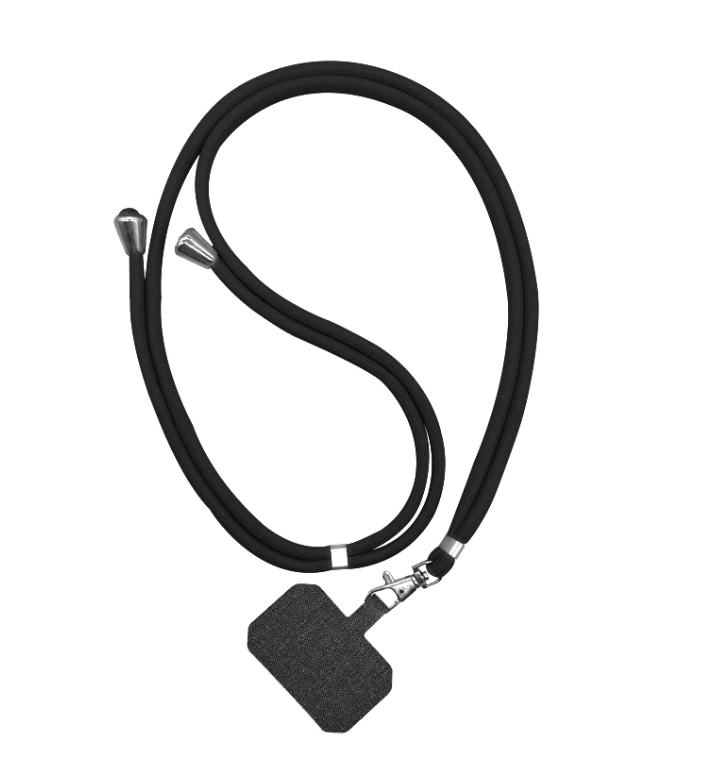
Leave expensive jewelry and flashy electronics at home or in your hotel safe. In Athens, blending in with the crowd and keeping a low profile can help deter unwanted attention. Cameras are common among tourists, but be discreet when using them in busy areas. Avoid using expensive cameras for vlogging, use smaller ones, like a GoPro, that can be easily secured on your hand, for example, even though the video quality will not be the same. DO NOT put your phone in your back or external pocket or in a backpack or shoulder purse. Buy one of these phone holders or a case that already has this feature and wear it as a crossbody purse. For me this was the best purchase I made from a local website.
Nighttime Safety
Central Athens stays lively late into the night, especially in areas like Psirri, Gazi, and Kolonaki. While it’s generally safe to walk in well-lit, busy places, some neighborhoods—such as Omonia and parts of Exarchia—can feel less secure after dark. Trust your instincts, avoid deserted streets, and use a taxi or trusted rideshare app if you’re unsure about the area.
Scams and Tourist Traps
Be wary of “friendship bracelets,” unsolicited help with directions, or overly friendly strangers in tourist areas—these can sometimes be distractions for theft or attempts to solicit money. In restaurants, check the menu and prices before ordering, and always ask for a receipt. As Greece is battling with a high unemployment rate, beggars and homeless people are a common sight in tourist areas.
Emergency Contacts
The European emergency number 112 works in Greece for police, fire, and ambulance. Pharmacies are abundant in Athens and easily recognized by their green cross signs, often able to provide basic first aid and travel health advice. Larger hospitals have English-speaking staff, but for less urgent issues, your hotel concierge can usually help.
Although the city is filled with cats, including the archaeological sites, DO NOT pet them! They might be infested with ticks or fleas or they can become aggressive and bite or scratch. They are street cats and they do not receive treatment against parasites, vaccines, do not have their claws cut like we do with indoor cats and they might carry some unwanted diseases that can be contacted by humans, too. Seek immediate medical help if you have been scratched or bitten by a street cat!
Protests and Political Gatherings
Athens, as the capital, sometimes sees protests and demonstrations, especially around Syntagma Square and major government buildings. While these are usually peaceful, they can disrupt transportation and occasionally turn tense. If you encounter a demonstration, it’s best to avoid the area and not engage. 1st of May, also known as Labor day is usually selected every year for major protests, paralyzing the entire city and public services, including public transportation and even the flights are cancelled.
This year a major protest was held all over Greece, on the 28th of February, where thousands have flooded the streets of all major cities and demanded justice for the victims of the Tempi train crash from 28th of February 2023. As a sign of solidarity, all unions were on strike that day, including aviation. I was flying the next day to Heraklion and all two flights were full booked. It was the first time when at check-in, 48hrs before the flight, there were no more available seats. If I hadn’t booked the tickets with 2 hand luggage included and hadn’t chosen the seats at the moment of purchase, I might have flown the next day or so…
Bonus Tips: Making the Most of Your Athens Experience
Local Etiquette: Greeks are famous for their hospitality. A friendly greeting, or simply saying “Yia sas!” (Hello!), will go a long way.
Sun Protection: The Mediterranean sun can be fierce. Always pack sunscreen, sunglasses, and a hat—especially if you’ll be exploring ancient ruins without much shade.
Museum Passes: Consider investing in a combined ticket for Athens’ main archaeological sites, which can save money and time in line.
Stay Hydrated: Summer heat is no joke—carry a water bottle and hydrate frequently.
Respect Siesta: Many local shops close for a “mesimeri” (midday break) between 2 and 5 PM, especially outside the main tourist zones.
Local Etiquette: Greeks are famous for their hospitality. A friendly greeting, or simply saying “Yia sas!” (Hello!), will go a long way.
 Skyline Stories