There are places on the world map that seem to pulse with the heartbeat of history itself, where myth and reality waltz together beneath the warm Mediterranean sun. Greece is such a place. Renowned for its sun-bleached ruins, turquoise seas, and vibrant traditions that stretch back millennia, Greece stands as a living testament to the ingenuity, artistry, and resilience of humankind. In this blog post, we embark on a journey through the layers of Greek identity—exploring fascinating historical milestones, uncovering geographic marvels, and celebrating the remarkable people who have shaped this nation’s unique legacy.
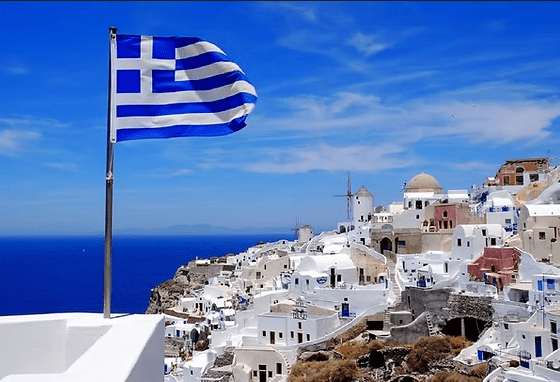
Greece’s history is as twisted as the legendary labyrinth in Crete, where Theseus slew the Minotaur. Its roots stretch deep into prehistory, and the echoes of its past still resonate in the present day.
- The Minoans and Mycenaeans: The earliest advanced civilizations in Europe blossomed in Greece. The Minoans, centered on Crete (c. 2000–1400 BCE), left behind intricate frescoes and the enigmatic ruins of Knossos. The Mycenaeans (c. 1600–1100 BCE), immortalized in Homer’s epics, built mighty citadels and launched the legendary Trojan War.
- The Birth of Democracy: Classical Greece, particularly Athens in the 5th century BCE, witnessed the dawn of democracy. Citizens debated laws in the Agora, and ideas about governance, citizenship, and justice took root—ideas that would later shape modern Western societies.
- Philosophy and Science: Greece was the playground of great minds—Socrates, Plato, and Aristotle—who pondered the nature of existence, ethics, and knowledge. The polymath Archimedes laid foundations for physics and engineering, while Hippocrates, the “Father of Medicine,” set ethical standards for doctors.
- Alexander the Great: In the 4th century BCE, Alexander of Macedon forged one of the largest empires in ancient history, spreading Greek culture from Egypt to the borders of India. His campaigns seeded Hellenistic civilization, a glorious fusion of Greek and Eastern ideas.
- The Byzantine and Ottoman Eras: Greece later became a vital part of the Byzantine Empire, and its Orthodox Christian heritage remains strong today. After centuries under Ottoman rule, the Greek War of Independence (1821–1830) ignited a national rebirth, leading to the Greece we know today—a proud member of the European Union and a beacon for travelers worldwide.
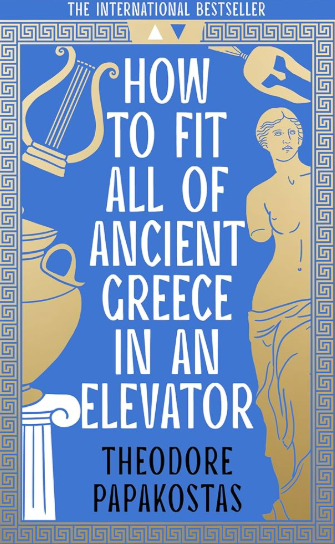
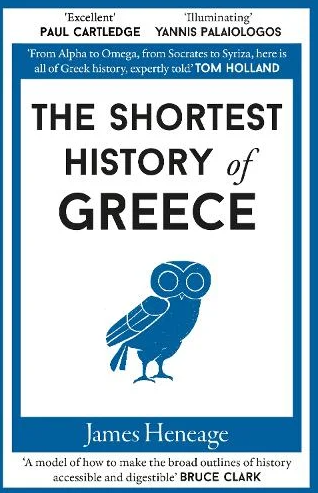
Regarding Greek history, there are two books that I strongly recommend if you would like to deep dive. They are available on Amazon and also on audiobooks platforms but I bought them from Athens duty free 😀
– How to fit all of Ancient Greece in an elevator – an amazing explanation of Ancient Greece, written in the form of a dialogue and more like “Ancient Greece for dummies :D” by the Greek archaeologist Theodore Papakostas
– The shortest history of Greece – All Greece’s history from ancient times to modern days by James Heneage
Greece is a geographical mosaic where mountains plunge into the sea, islands float like jewels upon sapphire waters, and every landform seems to whisper a story.
- Mount Olympus: Towering at 2,917 meters, Mount Olympus is the highest peak in Greece and the mythical home of the Twelve Olympian gods. Hikers traverse cloud-wreathed trails to stand where Zeus once ruled, enveloped in awe-inspiring natural beauty.
- Aegean and Ionian Islands: Greece boasts over 6,000 islands and islets, with only about 227 inhabited. Each has its own character—Santorini’s lunar caldera, Mykonos’ iconic windmills, Crete’s rugged gorges, Corfu’s Venetian elegance, and Rhodes’ medieval fortresses.
- Meteora: Rising like stone sentinels from the Thessalian plain, the Meteora monasteries perch atop towering rock pillars. Built by monks seeking solitude and safety, these UNESCO World Heritage sites invite both spiritual reflection and jaw-dropping admiration.
- Vikos Gorge: Often described as one of the world’s deepest gorges relative to its width, Vikos Gorge carves a dramatic path through the Pindus Mountains, sheltering rare flora and fauna in its wild embrace.
- Lake Plastira: This man-made lake in central Greece, surrounded by lush forests and mountain peaks, offers a tranquil escape and reveals the country’s lesser-known, verdant face.
Greece’s influence on culture, thought, and art is embodied in the achievements of its remarkable citizens, ancient and modern alike.
- Socrates, Plato, and Aristotle: These philosophers formed the bedrock of Western thought, shaping logic, metaphysics, ethics, and political theory. Their ideas continue to inspire and challenge minds across the globe.
- Homer: The blind bard who composed the “Iliad” and the “Odyssey” stands as the father of epic poetry, his influence rippling through literature for centuries.
- Maria Callas: The legendary soprano, born in New York to Greek parents and raised in Athens, conquered the world’s opera stages with her dramatic intensity and vocal brilliance.
- Odysseas Elytis: Awarded the Nobel Prize in Literature in 1979, Elytis’s poetry wove together the sunlight, sea, and history of Greece into verses of startling beauty.
- Giorgios Papanikolau: the inventor of the Pap-test is saving the lives of millions of women worldwide as the test is a crucial step in detection of cervical cancer
- Giannis Antetokounmpo: Known as the “Greek Freak,” this basketball phenom rose from humble beginnings in Athens to become an NBA champion and MVP, inspiring a new generation of Greek dreamers.
- Melina Mercouri: An acclaimed actress, singer, and passionate political activist, Mercouri championed Greece’s cultural heritage, notably the campaign for the return of the Parthenon Marbles.
Despite challenges—economic crises, wildfires, waves of migration—Greece endures, adapting and innovating while never losing sight of its past. Athens, once the heart of ancient civilization, now blends neoclassical grandeur with modern dynamism, buzzing with art galleries, cutting-edge cuisine, and youthful energy.
Greek scientists, artists, and thinkers continue to make their mark on the world, building bridges between tradition and progress. The country’s universities attract international students, while its film and music scenes pulse with originality.
 Skyline Stories