
While visions of Santorini’s caldera or Mykonos’s windmills are likely dancing in your head, Greece is a tapestry of diverse regions. The country is split between the mainland—where you’ll find Athens, Thessaloniki, and the mountainous north—and over 200 inhabited islands scattered across the Aegean and Ionian seas. Each region and island has its own pace, traditions, and charm.
- Mainland vs. Islands: The mainland boasts ancient ruins, bustling cities, and rugged landscapes. Islands often mean slower travel rhythms, picturesque beaches, and close-knit communities.
- Getting Around: Ferries connect major islands and the mainland, but schedules can shift with the seasons and weather. Domestic flights are common for longer hops, but be prepared for occasional delays.
Greece basks in a Mediterranean climate, with hot, dry summers and mild, rainy winters.
- High Season (June–August): Expect crowds, especially on popular islands, and higher prices. July and August can be sweltering and busy.
- Shoulder Seasons (April–May, September–October): Often considered the best times to visit. The weather is pleasant, the seas are warm enough for swimming, and crowds thin out.
- Low Season (November–March): Many tourist services close on the islands, but the mainland’s cities and archaeological sites remain open and less crowded.
Greece is part of the European Union and the Schengen Area.
- Passport and Visa: EU citizens only need an ID card; most other visitors require a passport with at least six months’ validity. Check visa requirements for your nationality before travel.
- Currency: Greece uses the euro (€) and is the ONLY currency accepted. Please DO NOT pay or leave tip in dollars, pounds or any other currency. It will be very difficult for locals to exchange them afterward (how would you feel when you go the exchange office or the bank with 3 euros and want to change them to dollars, for example?). Exchange offices are available in all tourist areas and the rate is the official rate established by European Central Bank + fee. Exchanging foreign currency to euro outside the banks or designed exchange offices is NOT allowed and there is no such thing as “official vs unofficial rate”
- Credit and debit cards are widely accepted in cities, but cash is king in many rural areas and on smaller islands. IMPORTANT: AMEX is not common in Europe, it used only as Corporate travel card and accepted in few hotels, car rentals or restaurants. You can’t use it for cash withdrawal either, only at Alpha Bank ATMs. Use this website to locate the nearest ATM
- ATMs: Readily available in urban centers, but can be scarce in remote spots—always carry some cash, especially for tavernas or taxis in small villages.
Getting Around: Planes, ferries, and driving
- Inter-island Ferries: Book in advance during high season, as popular routes sell out fast. Be aware that high winds can disrupt schedules, so flexibility is key.
- Public Transport: Urban areas like Athens and Thessaloniki have reliable metro and bus systems. On islands, public buses are often infrequent—renting a scooter, ATV, or car can be the best way to explore.
- Driving: Roads can be narrow and winding, especially in the mountains. Greek drivers are assertive—drive defensively and make sure your license is valid in Greece (an International Driving License is often required).
- The main and biggest airport is Eleftherios Venizelos in Athens. Greece has 15 international airports: Alexandroupoli, Athens, Chania, Corfu, Heraklion, Kalamata, Kavala, Kefalonia, Kos, Lemnos, Mytilene/Lesbos, Rhodes, Samos, Skiathos, Thessaloniki, Zakynthos while some national airports also receive international flights or charters, such as Chios, Mykonos, Preveza (connecting Lefkada) and Santorini.
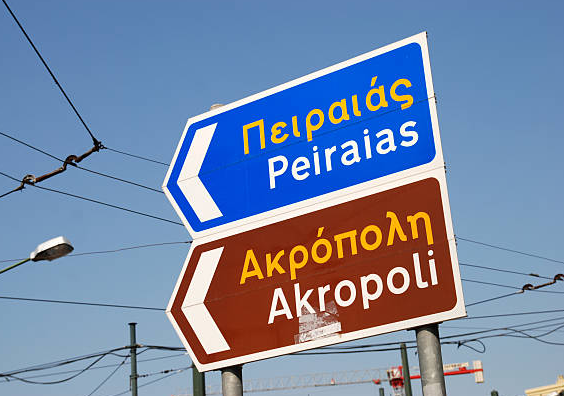
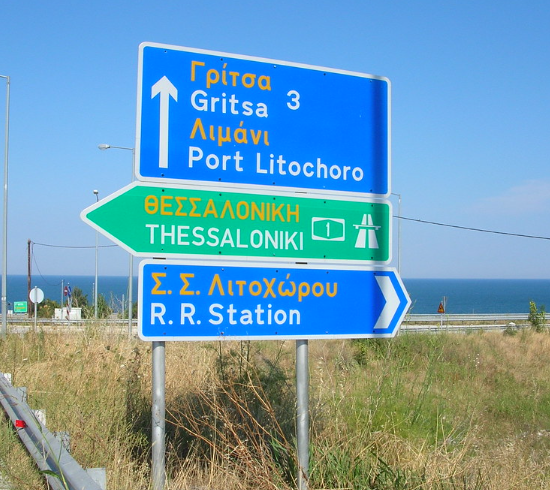
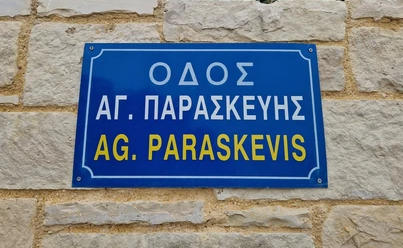
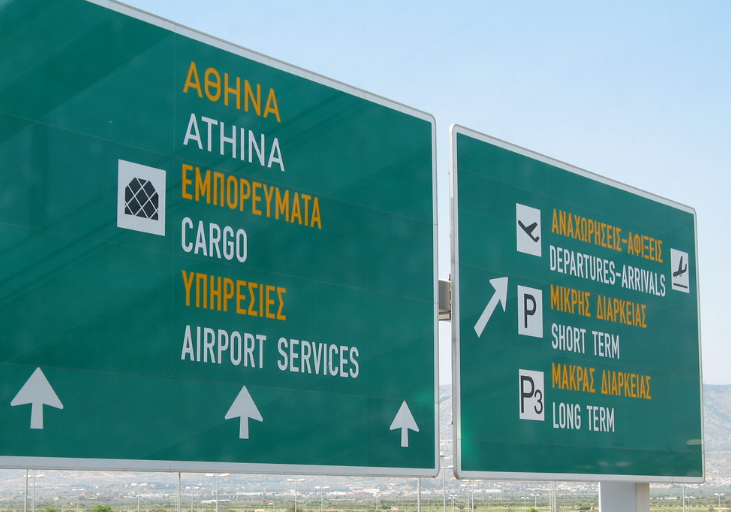
Greek is the official language, but English is widely spoken in tourist areas. Also, they are using the Greek alphabet (you know, those letters from physics classes in high school), but all road signs, important landmarks and street names are written in the Latin alphabet and translated to English. Greece is called Ελλάδα (Ellada) in Greek and the official name is Ελληνική Δημοκρατία (Elliniki Dimokratia) or Hellenic Republic.
Culture and Etiquette: The Greek Way
- Greetings: A firm handshake, a warm smile, or a friendly wave is common. In more rural areas, hospitality is legendary—expect to be offered food or drink by strangers.
- Dress: Modest attire is appreciated, especially when visiting monasteries or churches. Beachwear is for the beach; cover up when in town.
- Dining: Meals are social affairs and rarely rushed. Don’t be surprised if dinner starts after 9 PM. It’s customary to linger over coffee or ouzo after your meal.
- Tipping: Tipping is customary, though not obligatory. Leaving small change or rounding up the bill is appreciated in cafes and restaurants.
- Toilets: Greek plumbing is sensitive; you’ll see signs asking you not to flush paper. Use the bins provided. this sign can be found in a 5 star UAI hotel, at the airports and almost everywhere on the islands

Greek cuisine is a celebration of local, seasonal produce. Expect generous portions, fresh ingredients, and regional specialties.
- Must-try Dishes: Souvlaki (grilled meat skewers), moussaka (layered eggplant and meat), horiatiki (Greek salad), spanakopita (spinach pie), and baklava (sweet pastry).
- Seafood: On the islands, seafood is a staple—octopus, calamari, and fresh fish are simply grilled and drizzled with olive oil and lemon.
- Vegetarian Options: Greek cuisine is very vegetarian-friendly, with dishes like fava (split pea purée), gemista (stuffed vegetables), and dolmades (stuffed vine leaves).
- Drinks: Don’t miss trying ouzo (anise-flavored spirit), retsina (resin-infused wine), and locally-produced wines. Tap water is safe to drink in most places, but check locally on the islands.
- Healthcare: Greece has good healthcare facilities, especially in major cities. Travel insurance is highly recommended.
- Pharmacies: Pharmacies are easily found and pharmacists are knowledgeable. Many common medications are available without a prescription.
- Sun Protection: The Greek sun is intense—pack sunscreen, a hat, and sunglasses. Drink plenty of water to stay hydrated.
- Personal Safety: Greece is generally very safe for travelers. Petty crime, like pickpocketing, can occur in crowded tourist spots, so stay alert.
Money-Saving Tips
- Eat Like a Local: Seek out tavernas away from the main squares—they offer delicious, authentic food at better prices.
- Travel Off-Season: Visiting in spring or fall not only saves money but offers a more relaxed pace and authentic interactions.
- Free Attractions: Many archaeological sites and museums offer free admission on certain days—check ahead to plan accordingly.
- Stay Connected: Consider getting a Greek SIM card or e-SIM for affordable data and local calls, especially if you plan to island hop or explore rural areas. if you are EU citizen, you home data and call plan should be enough, no extra costs 🙂
- Buy from local shops and producers, avoid large international brands. Don’t go to McDonald’s or KFC, try the souvlaki at the local taverna. Drink a frappe at a kafenio, not at Starbucks 🙂 P.S. Keep in mind that Greek local stores might be closed in the afternoon (Mediterranean siesta), on Sundays and public holidays.
Unique Experiences: Must-See and Must-Do
- Historic Marvels: Stand in awe at the Acropolis in Athens, explore the Palace of Knossos in Crete, or wander Delphi’s ancient ruins.
- Island Hopping: From the Ionian gems like Corfu to the volcanic landscapes of Santorini and Naxos’ endless beaches, each island offers something unique.
- Local Festivals: Greeks love to celebrate—whether it’s Easter, a village panigiri (feast), or Athens and Epidaurus Festival, take part in the revelry for an unforgettable experience.
- Nature and Adventure: Go hiking in the Vikos Gorge or Meteora, kayak along the coastline, or simply relax under the shade of an olive tree with a view of the azure sea.
Traveling in Greece is as much about going with the flow as it is about planning. Ferries may run late, meals may last hours, and the most memorable moments often happen when you least expect them. Embrace the Greek philosophy of “siga-siga”—slowly, slowly—and let the rhythm of the land guide your journey.
 Skyline Stories