
Heraklion is the capital city of Crete and also the biggest one. Although it doesn’t have a beach (the closest one is in Ammoudara, in the west part of the city), there are many things to do and see. It has a tourist open bus that operates as hop-on-hop-off and stops at the main attractions: Knossos Palace, City Center, Nikos Kazantzakis tomb. Its schedule is every 45 minutes and a ticket is 20E/adult.
I did my Heraklion tour by myself, combining major points of interest and also some not-so known, in two days.
Day 1: It was a cloudy and very windy day, with a high chance of rain. So I decided to spend the time mostly indoors and to see the attractions that are close or within walking distance from the city center, where I could shelter in case of rain.
So, here is my schedule for the first day. As my bus (I was staying in a suburb of Heraklion) had a stop in City Center, I used that as a starting point.
1. Archaeological Museum of Heraklion
It is located on the corner of Plateia Elefterias (or Liberty Square), next to Astoria Hotel (actually, this is how the bus stop is called). I paid 20E for a combined ticket (with Knossos Palace – that I used the next day and I skipped the line). Here you will find all the archaeological findings from the sites across Crete (Knossos, Phaistos, Malia, Zakros, etc), the most famous exhibits being the Bull Head, The Snake Goddess and of course, the Phaistos disc. Pictures are allowed inside, but without flash. Please be careful as some exhibits are marked with a NO PHOTO sign. this means that they haven’t been made public yet.
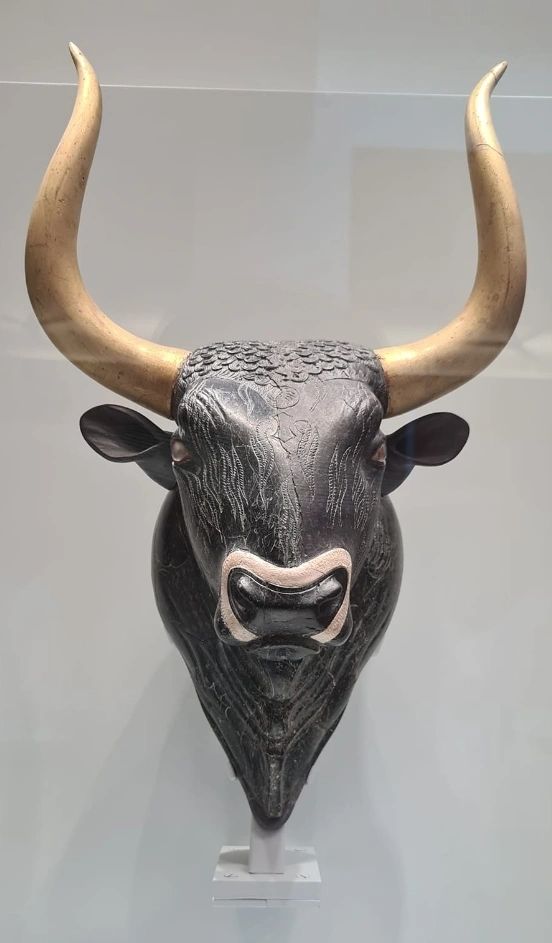
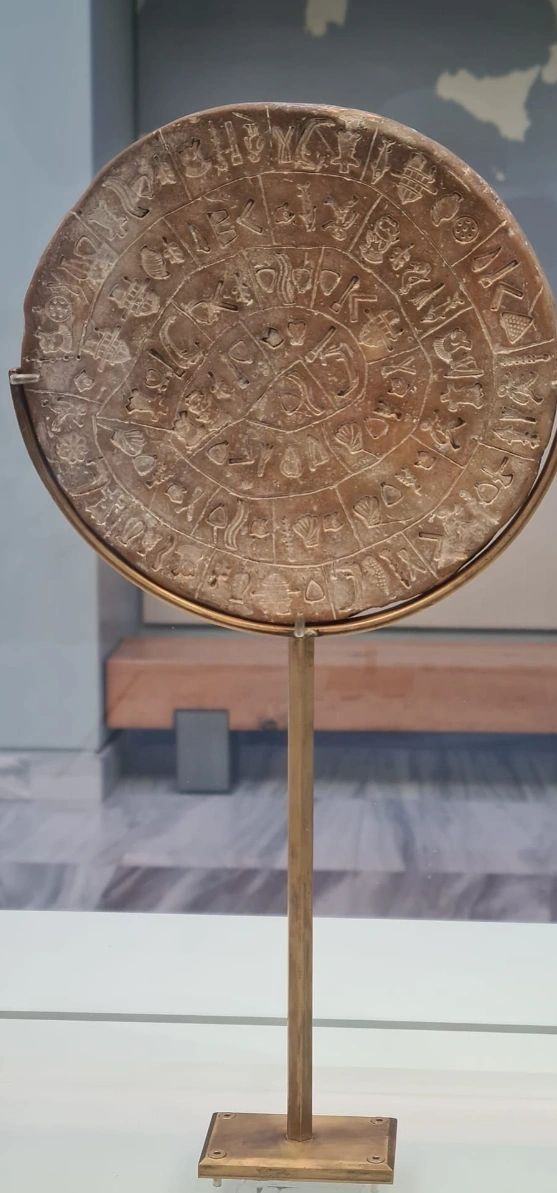
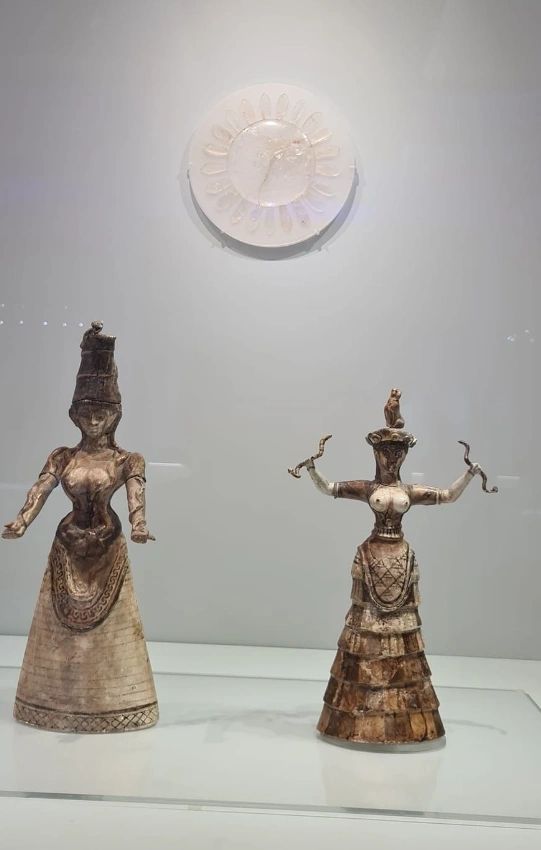
2. Morosini Fountain or the Lions Fountain
One of the most iconic (and crowded places) in Heraklion old city center. It is one of the remnants of the Venetian rule and, when it was built, it solved the water supply issue the city had back in the days, before modern plumbing system. It is used as a meeting point for both tourists (especially groups) and locals.
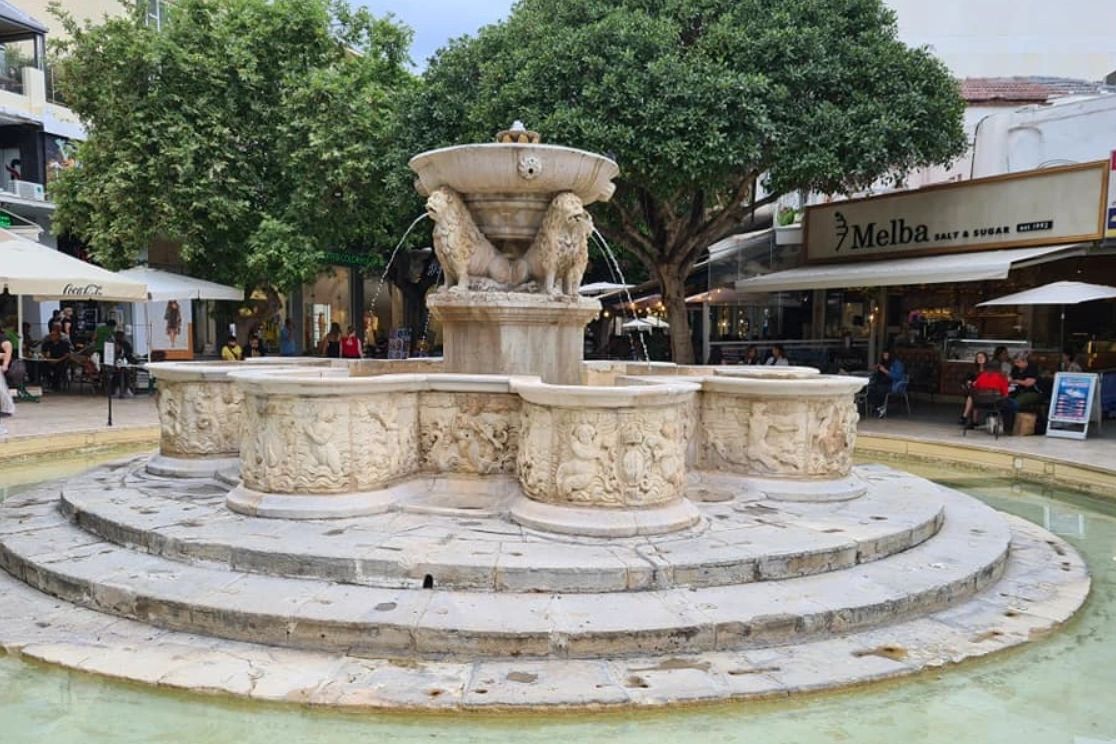
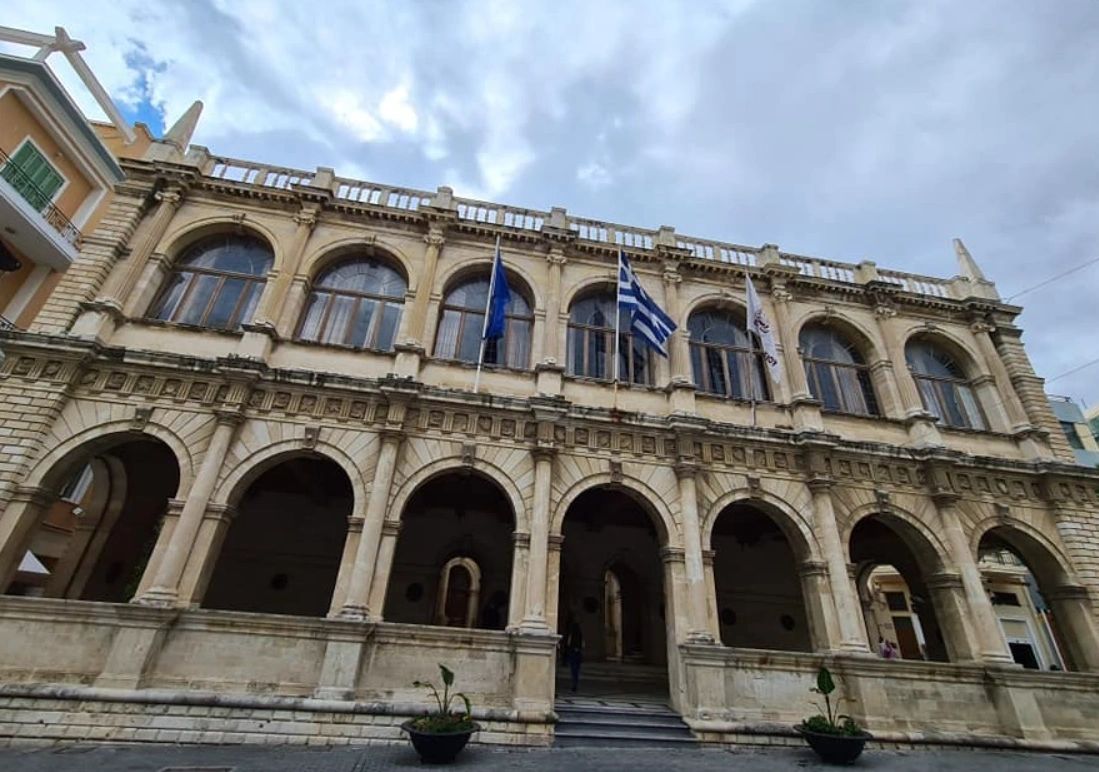
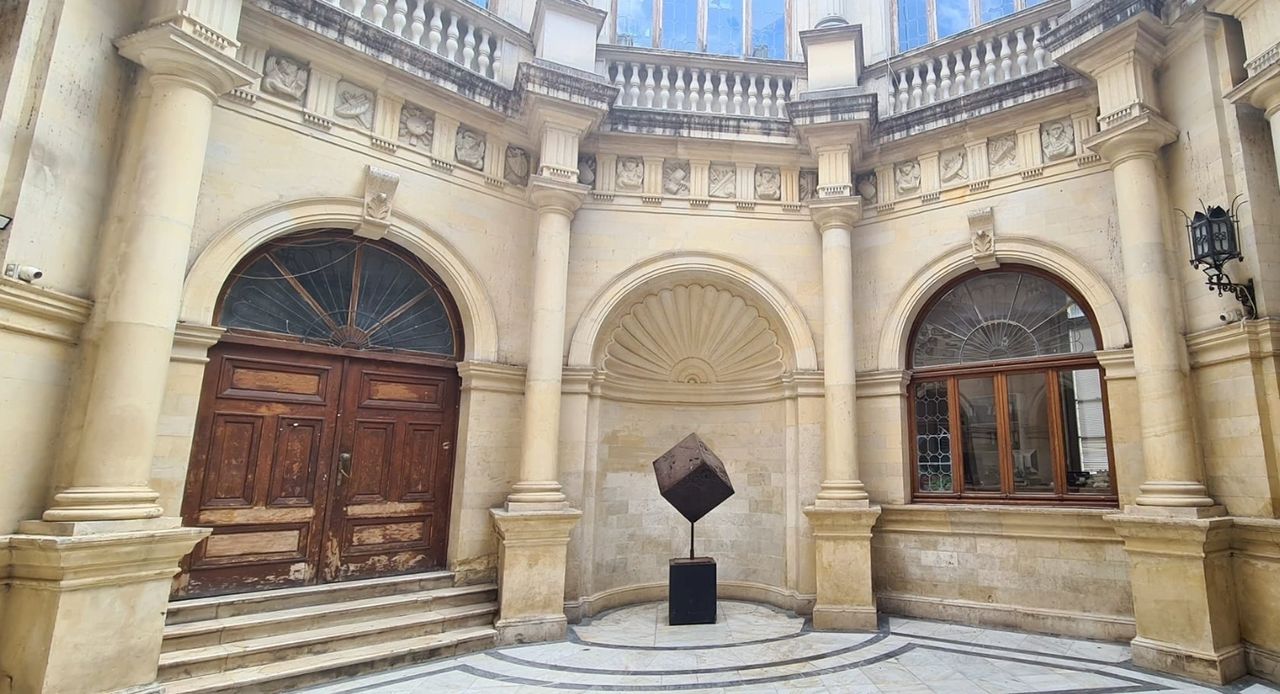
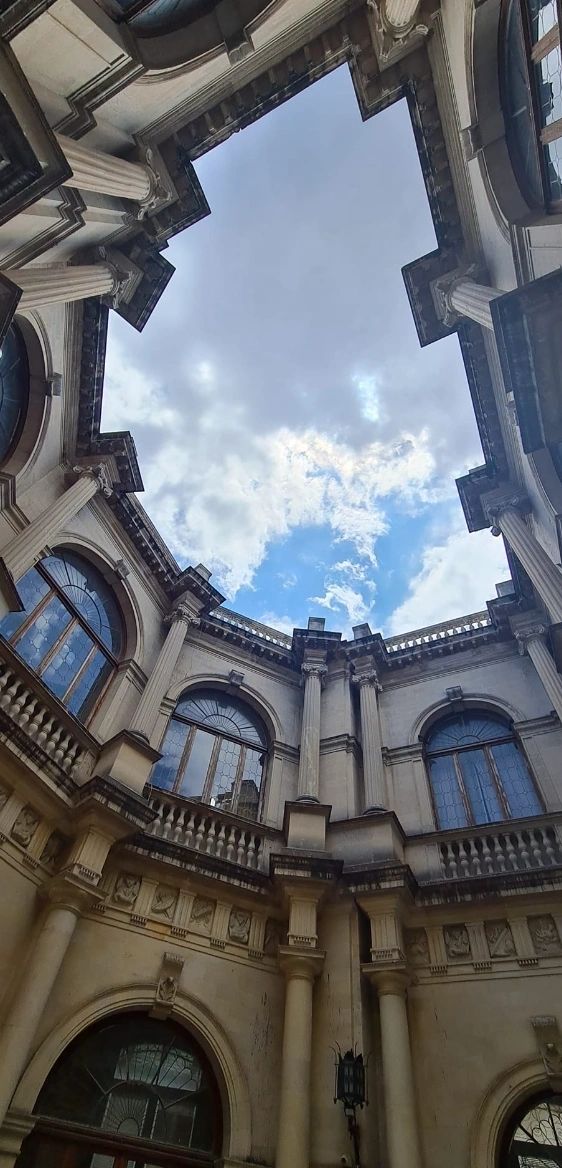
3. Venetian Loggia
Another piece of art that was built by the Venetians, in the 17th century. It can be found in St. Titus Square, on the 25th of August street. It was used by the Venetian noblemen as a place where they gathered to discuss social and political issues of their times. Now it is fully renovated and it is the house of the city’s Town Hall.
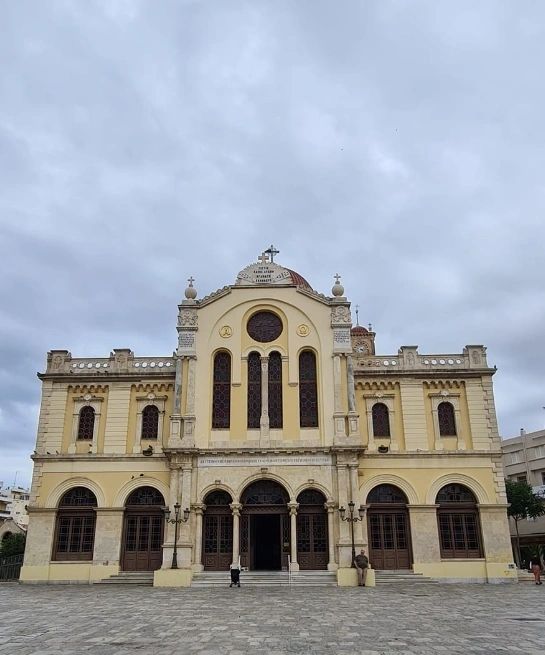
4. Agios Minas Cathedral
The largest church in Crete and one of the largest in Greece, it is dedicated to St. Minas (Agios Minas), a martyr and also the patron saint of Heraklion. It was built between 1862-1895. During the Cretan Revolution the construction has been stopped. It has beautiful icons and paintings
5. Koules or Rocca A Mare Fortress
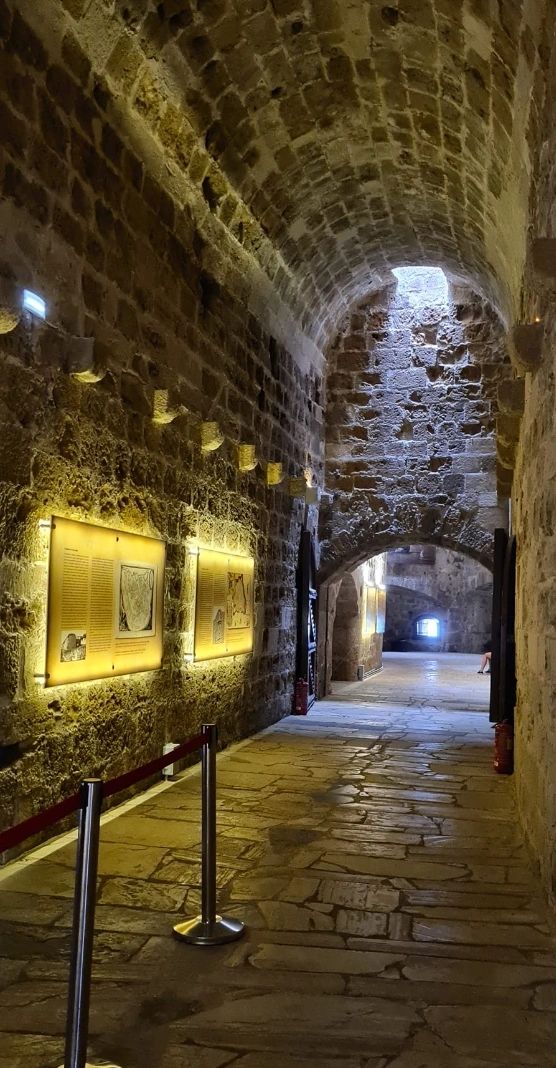
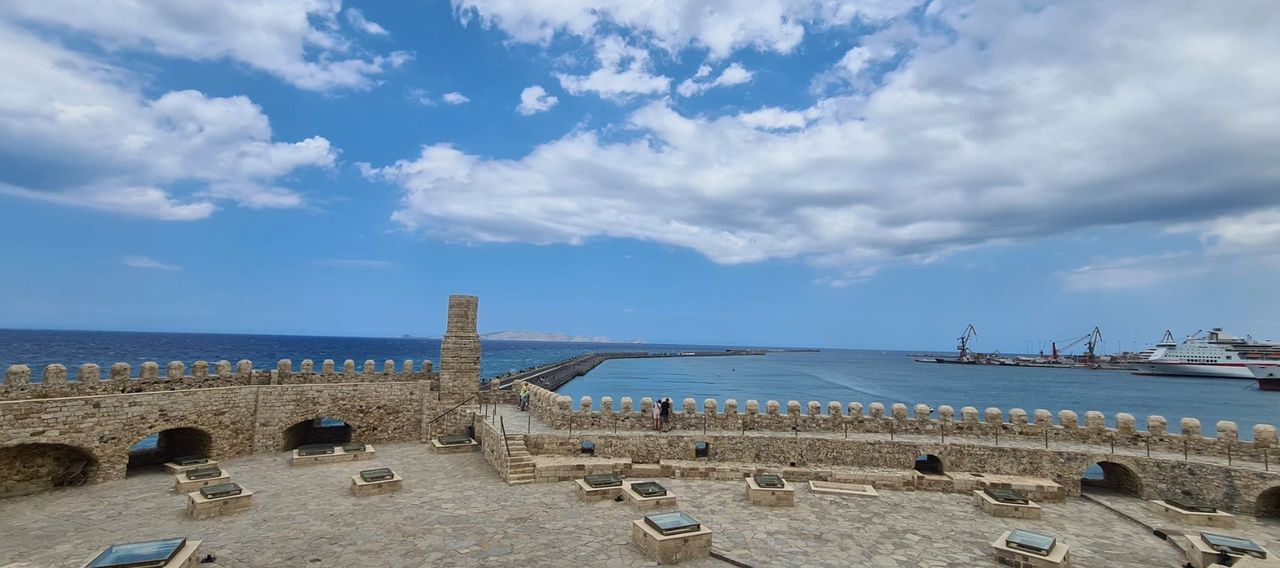
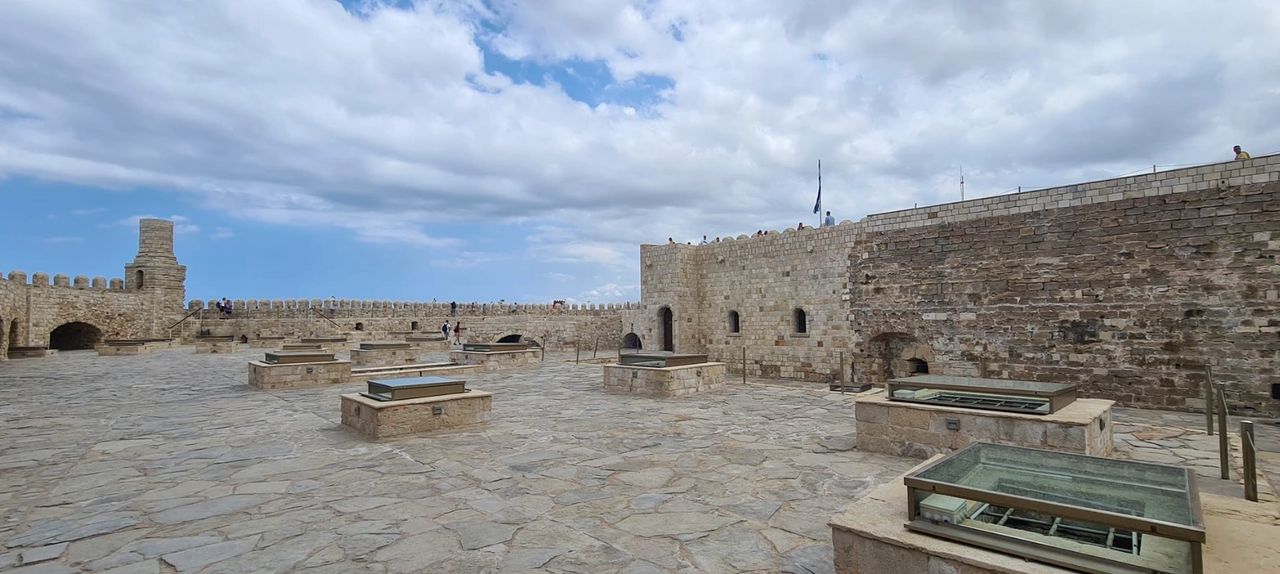
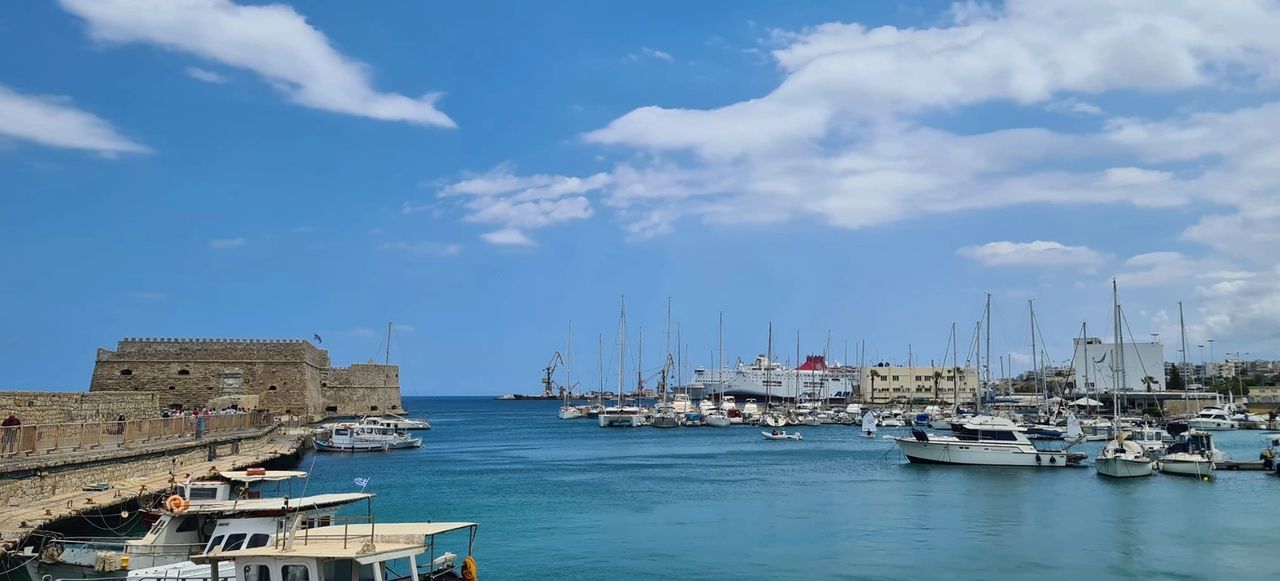
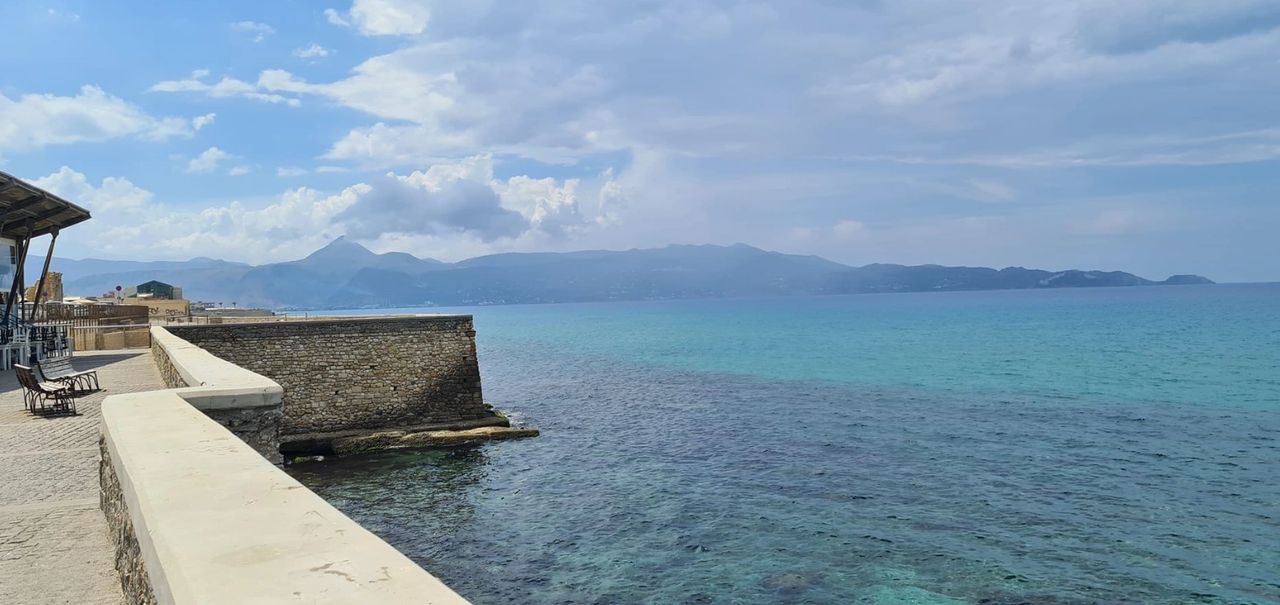
It is the iconic view from all Heraklion pictures. It was built by who other than the Venetians (d’oh) and used to guard the entry to the…. Venetian Port of Heraklion (again, d’ooooh). It was used mainly as storage for supplies, military and food. It also served as officers HQ and a prison. Today it can be visited (Tuesday is closed, btw) and you can have a look at how life was some hundreds of years ago. Also, go to the top floor, which is open, for the best view of the sea and the city. The entrance is right next to the harbour, on the right side. You can also walk on the promenade, but be veeeery careful. Right at it’s corner, as the promenade starts, the wind is very strong and a shower or two can happen (the waves are crashing right next to the walking area, in days with high wind, the access might be closed).
6. Historical Museum of Crete
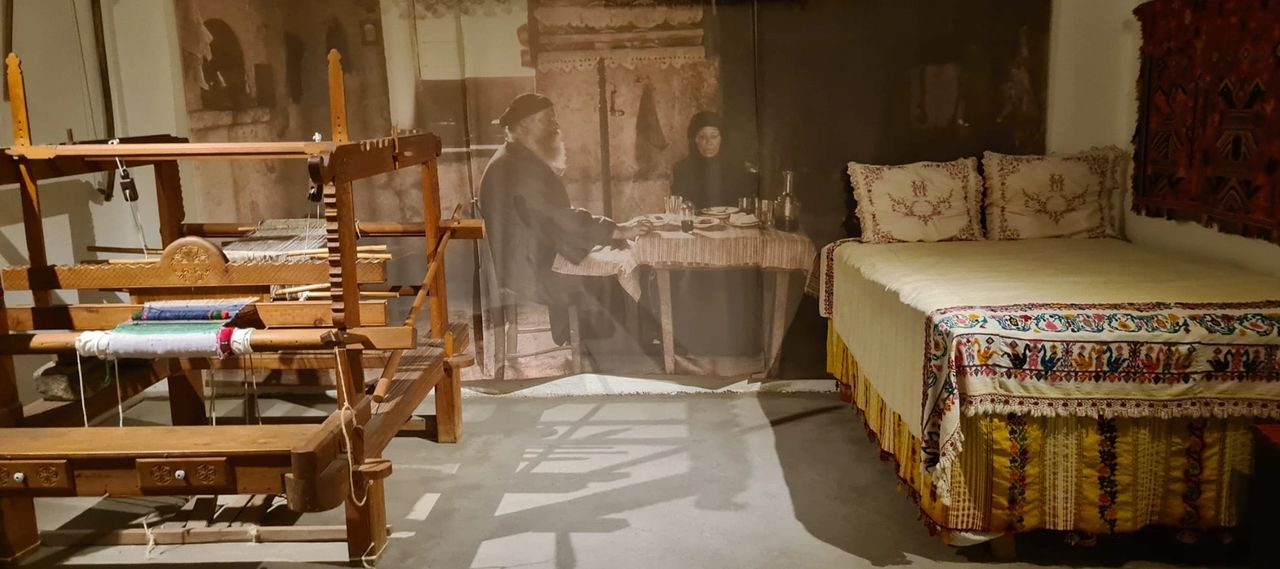
Now, this is a hidden gem. It is located on the street parallel to the promenade and many people, tourists included, pass by without noticing it. Well, it’s worth a visit, especially if you are passionate of history. It hosts exactly what its name says, the history of Crete (mostly during the Ottoman rule and the Revolution). As the rain started, I went to eat after visiting this museum and so concluded day one.
Day 2: It was mostly sunny and warm, but still with strong wind. Also, it was a Sunday and also Pentecost day (a religious holiday in the orthodox tradition, celebrated 50 days after Easter). With sunshine and little chances of rain, I decided to explore the city and venture a little bit further.
1. Knossos
Early in the morning I went to Knossos, as I already had the ticket bought. I have detailed the visit here
2. Nikos Kazantzakis’ grave
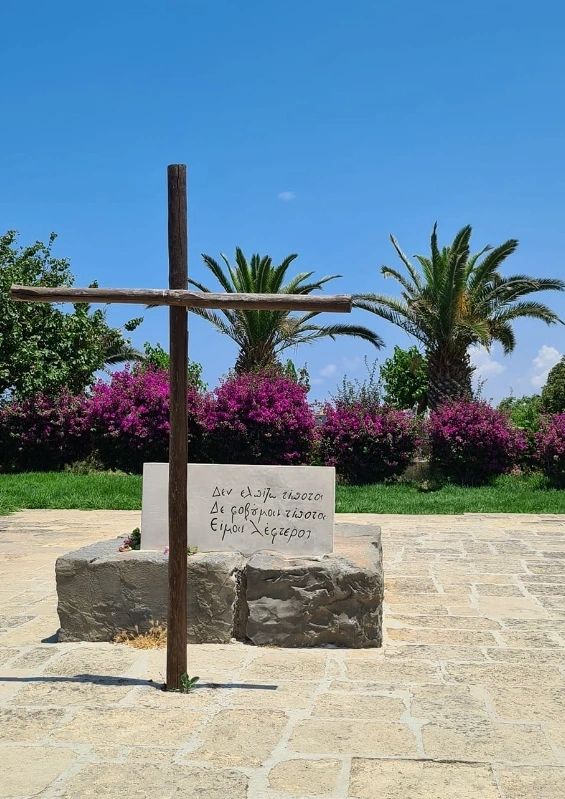
Upon my return to Heraklion from Knossos, I got off the bus at city center again, but I went to Nikos Kazantzakis’ (Greek writer born in Crete, author of “Zorba the Greek” and “Captain Michalis”) tomb. It is located outside Heraklion, close to the Venetian Walls. The area is a park, so don’t be surprised if you see people walking their dogs there 🙂 On his tombstone there is the inscription: I hope for nothing. I fear nothing. I am free.
3. Agios Titos Church
Located in the heart of Heraklion, on the busiest street (25th of August street), this cathedral is thought to have been built in the 10th century AD. During the Ottoman rule, it served as a mosque and it’s minaret was destroyed in 1920. It is mentioned in Kazantzakis’ novel “Captain Michalis”

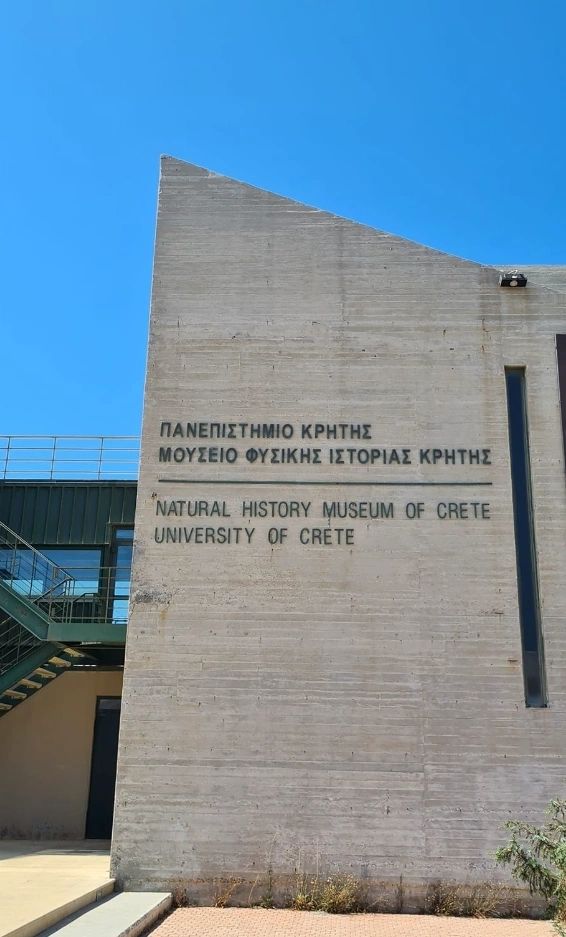
4. Natural History Museum of Crete
I totally recommend it if you have kids. The dioramas are open, you can touch the exhibits, but also at the lowest level it has a dedicated place for the little ones to explore. They can dig up bones and fossils, explore a cave, spend “a night” in a tent, hike, etc. Also worth it is the earthquake simulator. In a safe environment, you experience earthquakes of different intensity and also 2 of the most powerful earthquakes in modern history.
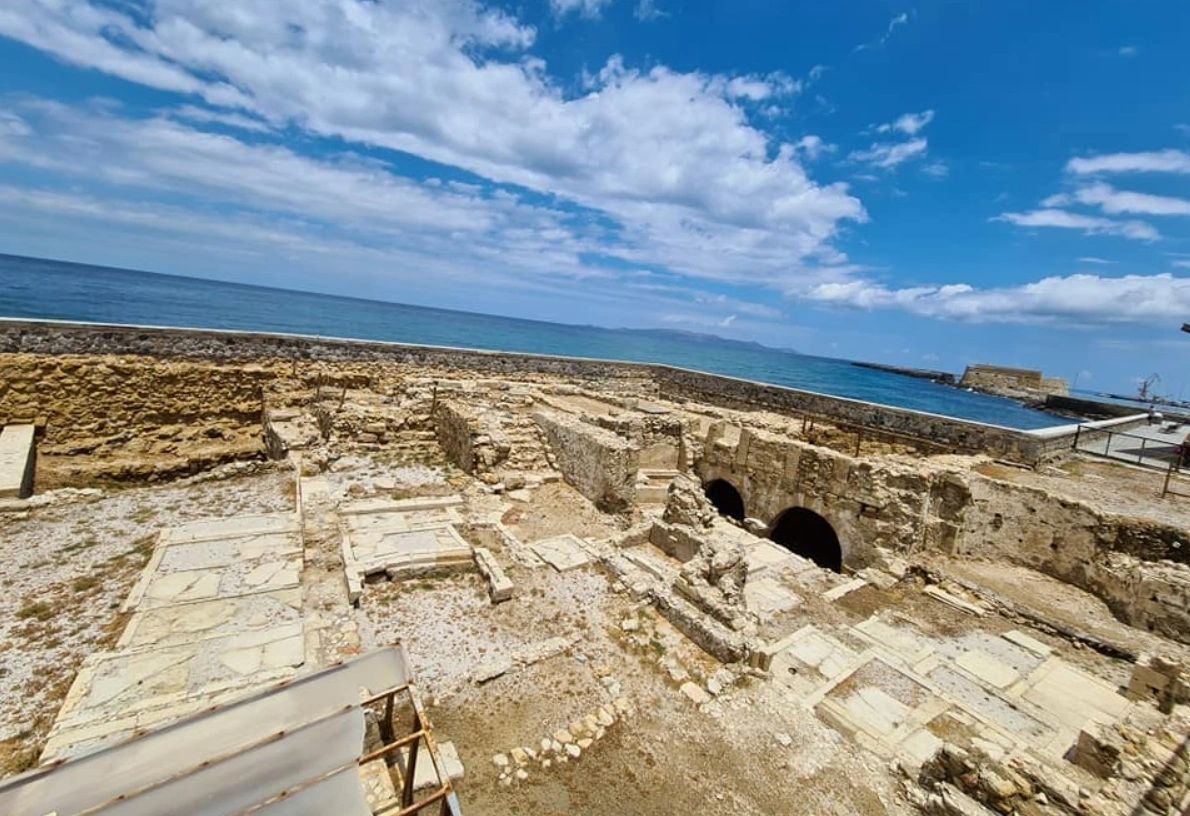
5. The open-air archaeological site next to St. Peter Monastery. You will pass by it when walking on the promenade, so it’s worth to have a look. It’s free 🙂
6. 1866 Street
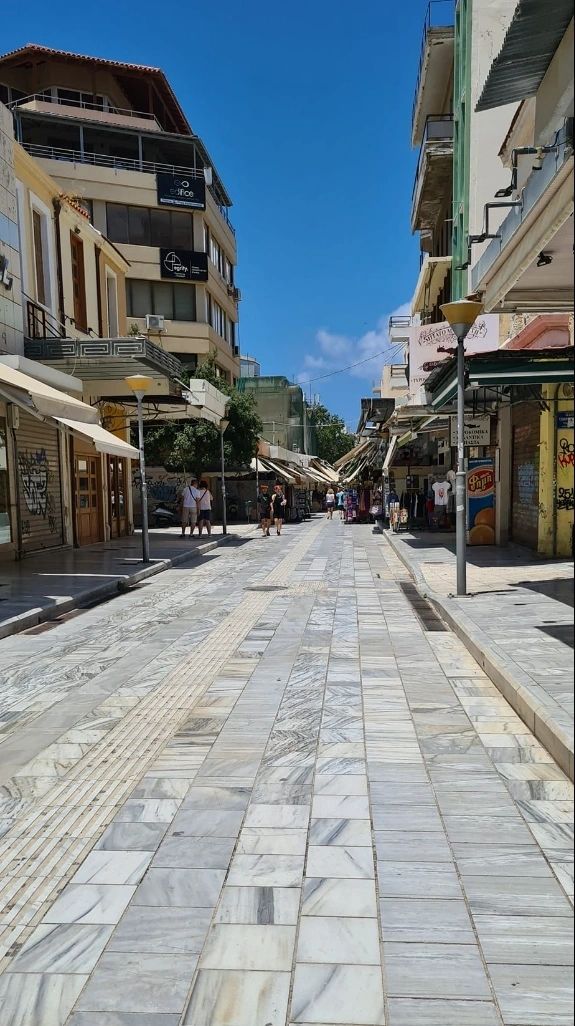
On my way back to the bus stop, I walked on the famous 1866 street. It is usually extremely busy, as it’s known as the Heraklion Bazaar Street. Since it was Sunday and a public holiday in Greece, most of the shops were closed. It is like this even in high season, as the Cretans spend their Sundays with their families.
When you get tired of walking and visiting, there are plenty of cafeterias and restaurants where you can eat or have a drink. Of course, there is Starbucks, but I can recommend the following:
Eating: Next to Koules, on the promenade, there is a nice restaurant called Kastella. I have been eating there since 2021 and the food is exceptional and not so expensive, the service great and you also have a nice view of the fortress or of the sea (depending where you sit)

Drinks: Mare Coffee & Bar – the best strawberry flavoured cappuccino
Sweets: DaVinci Gelato – the best gelato in Heraklion and Amorino – their gelato macarons are just heavenly, also their sorbet slushies. Divine.
 Skyline Stories