
If you are staying anywhere between Heraklion and Agios Nikolaos, a visit to Lasithi Plateau is a must. You don’t have to sacrifice a day of beach-ing, half a day is more than enough, if you wake up early.
Why is it a must? Well, because the landscape is spectacular. Just like its name says, it is a an endorheic plateau, meaning that it retains water and does not communicate with other bodies of water (such as the sea). It is also a very fertile area of Crete, very windy (hence the windmills which are a trademark of the area) but at the same time a place of extreme weather: very hot and scorching summers, as the mountains act as a wall and there is little to no breeze or humidity and very cold winters, where temperatures drop below 0 degrees Celsius and snow is not something unusual. Also, something particular to this area is that the dead are not buried in the ground, as per the normal Orthodox tradition. Because the soil is so dry in the summers and the area very prone to floods during the winter months, the dead are laid in stone/marble tombs above the ground.
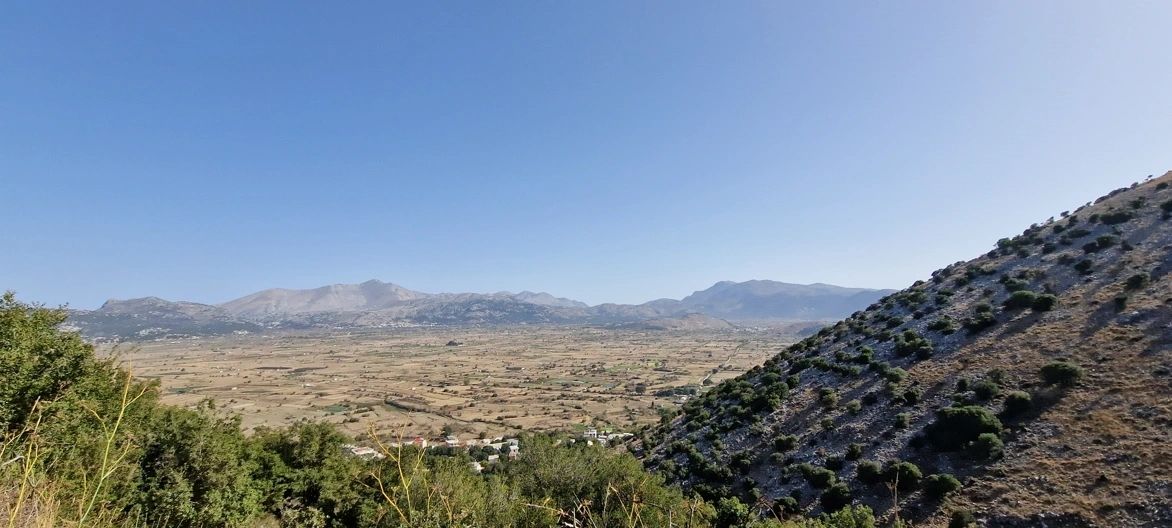
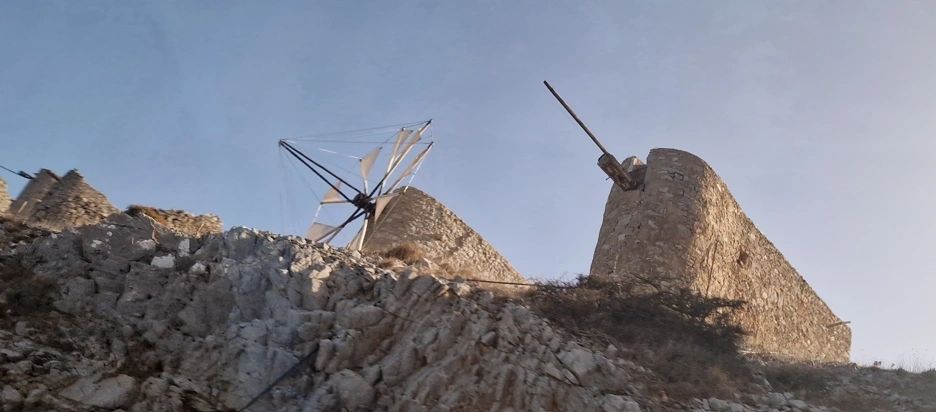
It stretches 11km (E-W) and 6km (N-S). It is famous for its windmills (there used to be thousands of them long time ago) that are a symbol of the area. Some of them still remain from the Venetian era and they mark the entrance to the plateau.
As you can see from Google Maps, it has a circular shape and you will just drive around it, so you will see it from all the possible angles.
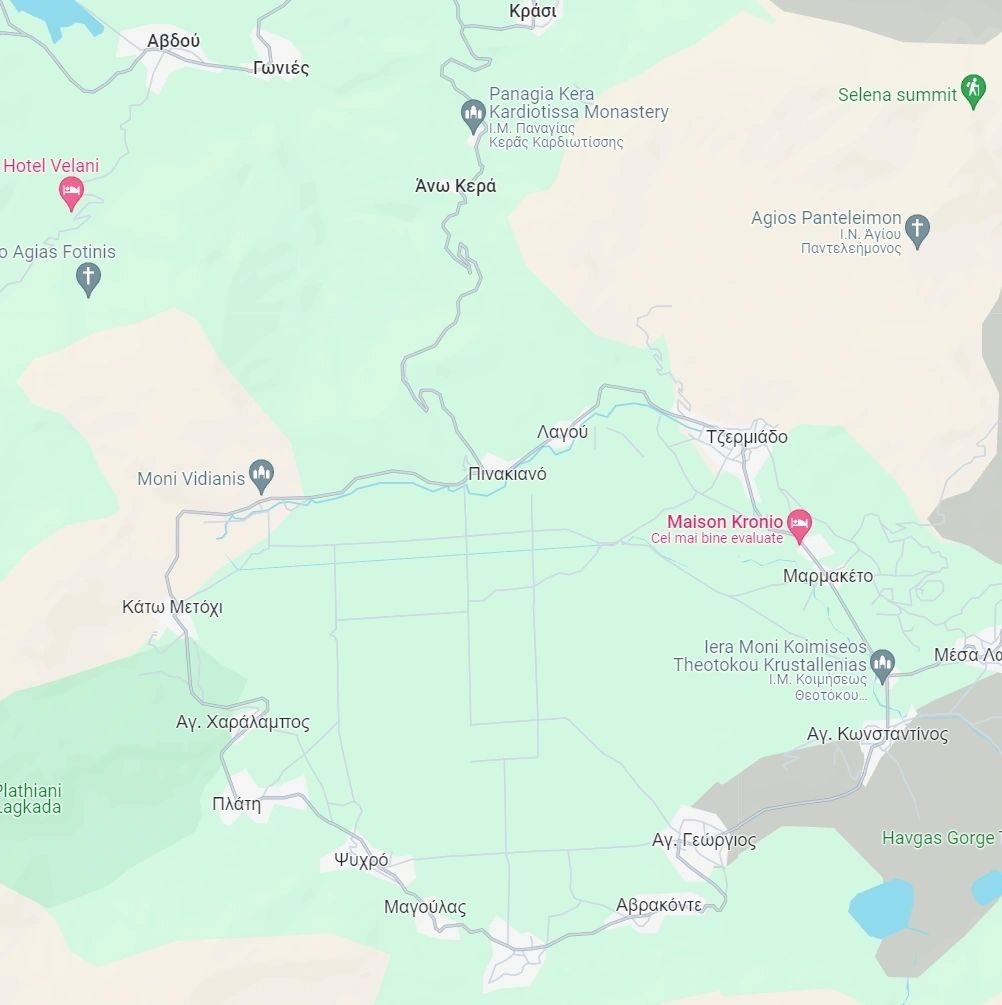
There are some places you can stop to visit on the way and I will detail them in the order we visited them:
1. Monastery of Kera Kardiotissa (Our Lady from the Heart) – it has an impressive history.
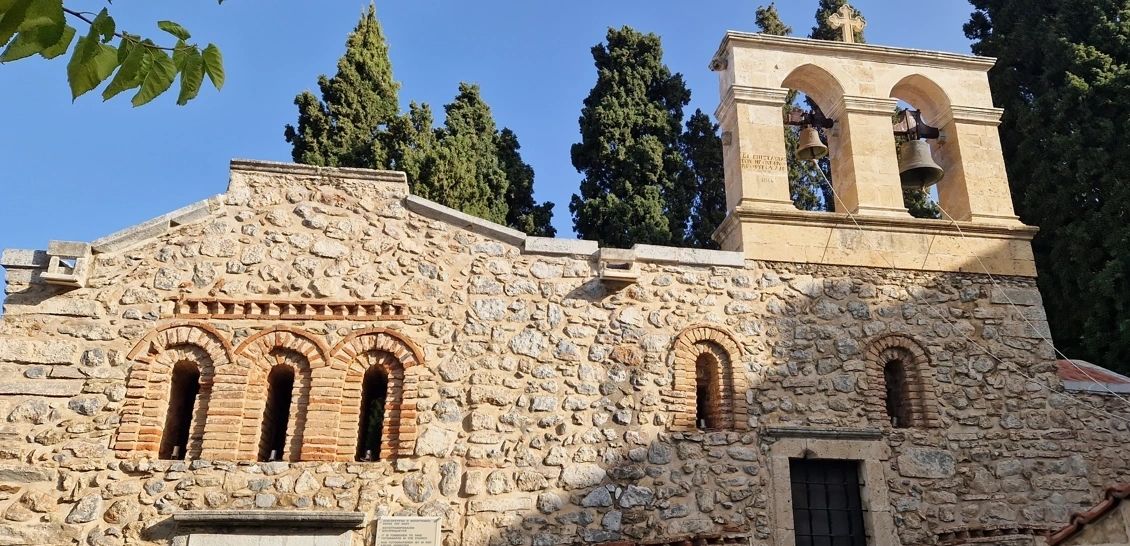
Inside, you will see that the frescoes have been damaged (as they were covered in plaster by the Ottomans or even destroyed), but the main icon of the Virgin, on the left side of the iconostas is said to have been chained by the pillar in the courtyard and miraculously found its way back in the church. The chain is on display next to the icon.
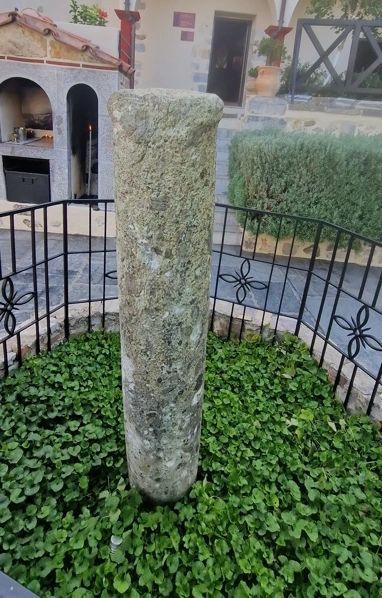
You are not allowed to take pictures inside the church. Women must be properly dressed. Otherwise you will receive a free pareo at the entrance, that you must return when leaving. Entrance fee: 2E, paid only in cash
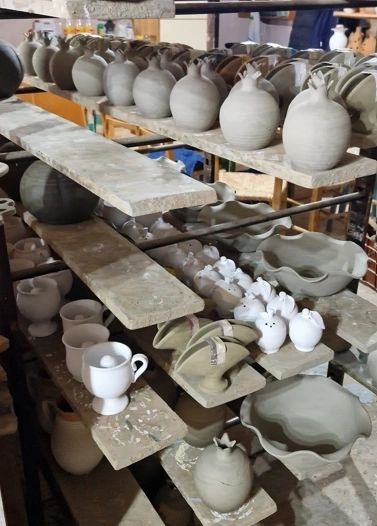
2. Psychro village – there is a pottery shop where you can see how the owner makes the ceramics that are on display (and for sale)
3. Cave of Zeus – or Dkitaion Andron, it is said to be the birthplace of Zeus.
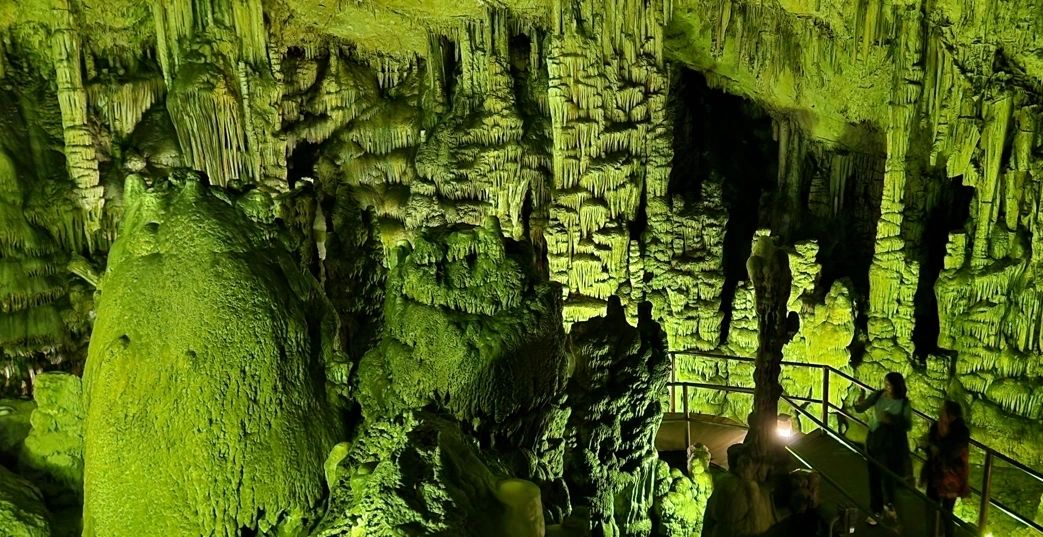
Here, archaeologists found cult objects related to the God of Thunder in Greek mythology. The cave can be visited, entrance fee is 6E, can be paid by card. Please have the following in consideration:
a. Arrive as early as possible – you’ll see why at point e. 😊
b. Not suitable for people with mobility issues – you will have to walk/hike around 20 mins to get there, from Psychro. The road is paved with large stones, there are areas where you have to do a little climbing
c. Wear a hat, comfortable shoes and sunscreen and bring water with you, there is little shadow on the path
d. Have emergency antihistamines with you, as you will be in the wild up there. I got stung by something and it hurt really, really bad ☹
e. To enter the cave you will have to descend around 200 steps. Here comes the not-so-nice part. They are slippery and for a part, there is only ONE way for up and down. You will have to wait for those that want to exit before you enter the cave. Imagine when a lot of tourist buses stop here.
f. Also, bring a sweater, the temperature is around 18 degrees Celsius and when you enter from outside (where it can reach up to 35 degrees in the summer months) and you are all sweat after the climb, shivers are included
g. Photos are allowed, but no flash!
4. Tzermiado village – also the biggest settlement of the area. Stop here for lunch and make sure you order the traditional Lasithi cuisine
You can either drive here or you can book a tour, like I did. Our tour also included Knossos, but I have been there twice so I skipped it.
 Skyline Stories