
I first heard of Lato Archaeological site in the summer, when we went to Kritsa. Our tour guide mentioned that you can hike for around 45 mins from Kritsa, but our time there didn’t allow me to get there, see the site and come back to the bus. So I researched and put it on my must see list. I had it in plan for October, but bus frequency was already diminished, as they were entering the winter season. Also I had to take in consideration the weather, which could change at any time.
When I went back in November, I suggested to visit it and now you have a blog post about it.
Lato was the “original” Agios Nikolaos, before the inhabitants moved to the current city, as it became an important port. It was built in the Dorian age, 5thand 4th centuries BC, on top of the hill, overlooking Mirabello Bay. The position was strategic, as it was built for defense (like almost all sites, far from the sea and not that easy to reach). The city was destroyed around 200 BC, but the port was used in the Roman rule.
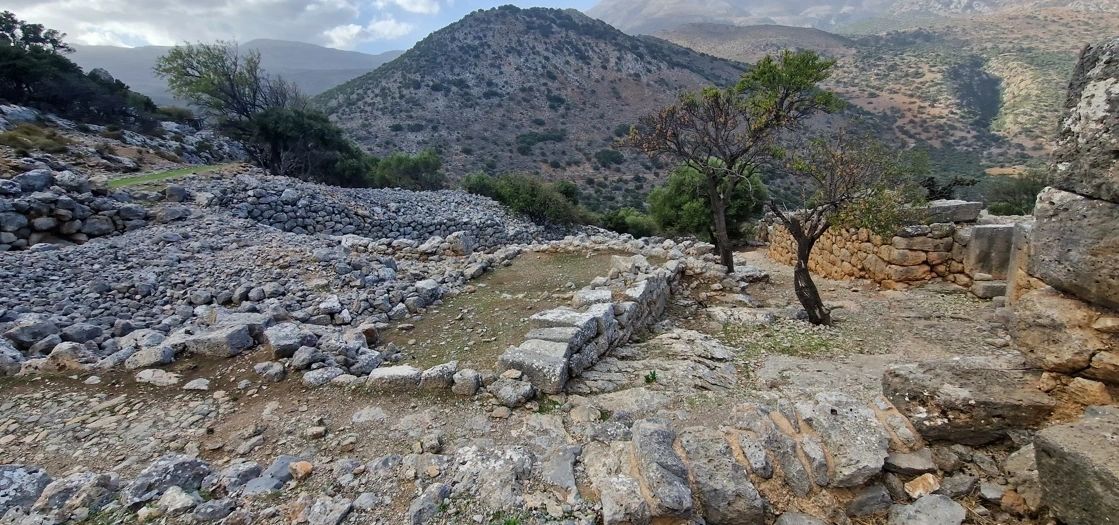
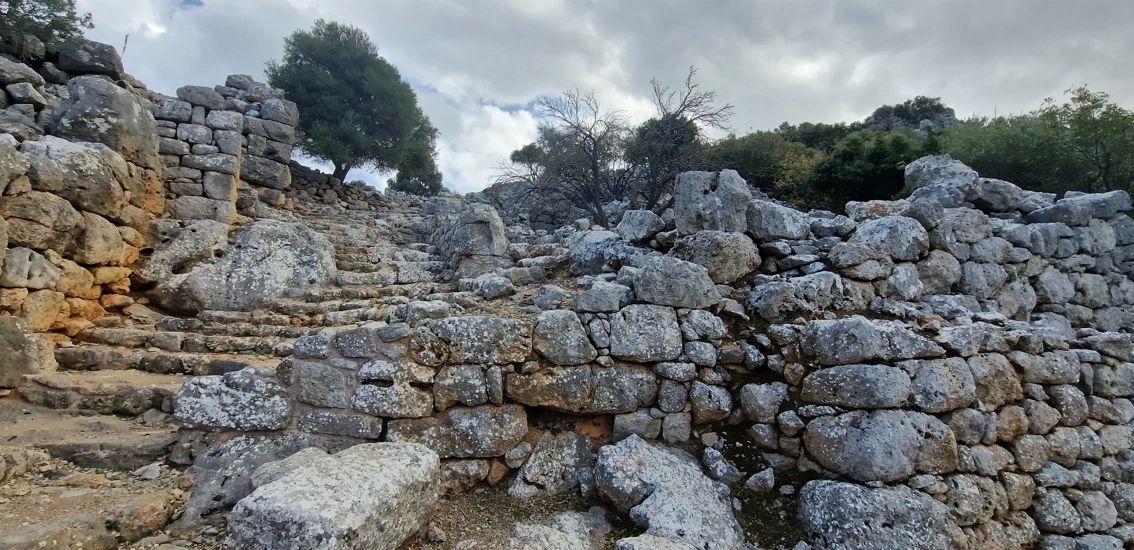
Today the ancient city of Lato is an archaeological site open to the public where you can still see the Agora and the Great Temple, for example.
Things to know before you go:
· Entrance fee is 3E, paid only in cash. Free entry in the first Sunday of the month, between 1.11 and 31.03, also on specific days (6th of March, 18th of April, 18th of May, last weekend in September, 28th of October)
· To get there, the best road is from Kritsa. The one from Agios Nikolaos takes you through olive groves and it’s not in good condition
· Not suitable for people with mobility issues, as you have to hike to get to the main attractions
· If you go in the summer wear hat, sunscreen and comfortable shoes. Bring water, there is no shop on site
· High heels are not allowed, smoking is prohibited
· If you go in the shoulder season or in the winter, bring a jacket. It is on top of a hill and it is colder and windy
· Do not disturb the goats 😊
· Enjoy the views over the mountains or the Mirabello Bay
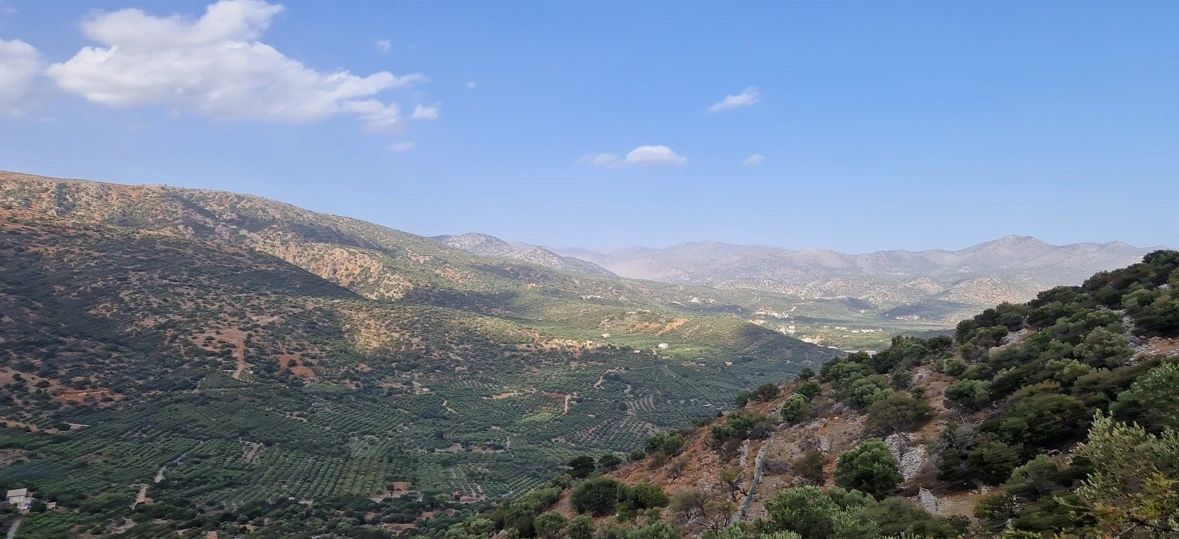
· Enjoy the silence, as this is overlooked by many tourists
 Skyline Stories