
When people mention Hersonissos, the first thing that comes to their minds is “oh, that’s the Ibiza of Crete”. That’s because it is famous for its clubs, beach parties and nightlife. It is the preferred location for young people, that party until daylight.
Also, with its large offer of all-inclusive and luxury resorts it is also preferred by families with small children and people who just want to relax on the beach.
However, there is a hidden gem in the outskirts of Hersonissos, that is overseen by many tourists, who just pass by without noticing it. And that is Lychnostatis Open Air Museum.

I read about it a year ago and I wanted to visited it last year, but never had the chance to. Hersonissos was extremely crowded in August and I’m not a fan of festivals of free and unwanted hugs.
This year I sacrificed a day of beaching and I went to Hersonissos. Needless to say, it was worth it. The museum is visible from the main road, but to get there is kind of tricky, as you have to walk for 15 mins from the nearest bus station.
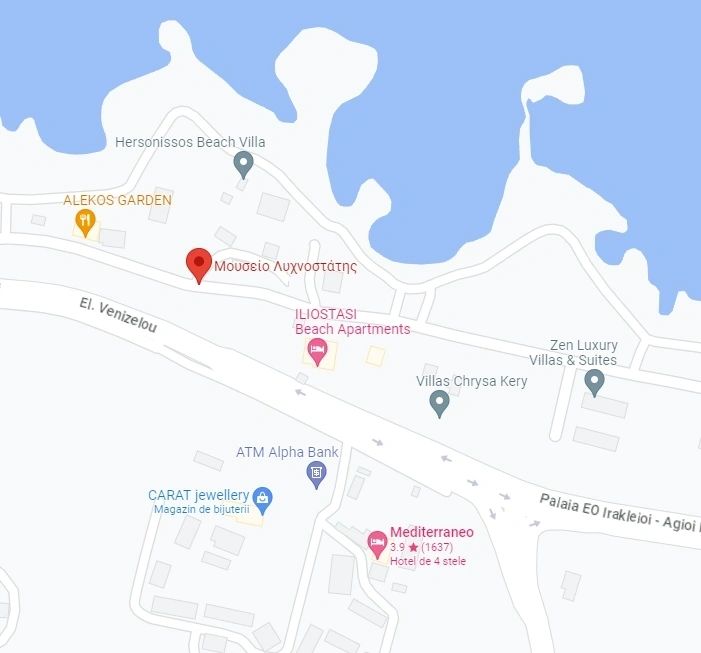
To be honest, it was a day well spent. As soon as you enter, the lady from the reception desk will ask where are you from. When I told her I’m from Romania, she gave me a leaflet in Romanian and a map of the museum. Then, you are guided to a small room next to the entrance/exit where you can watch a short video (approx. 8mins) about the museum’s history.
Lychnostatis museum was literally built from scraps, anything that the creators found useful (plastic, wood, metal, ceramics, stone, etc). The result is an amazing place, where I felt time stood still. The rooms and exhibits depict the traditional Cretan life, how it was before the era of smartphones and dumb people. How people used to live a simple life in the countryside and all you could find in a traditional Cretan household.
To me, this place brought so many childhood memories. I grew up in the countryside, so I was amazed to see how similar we are in culture and traditions, how our rural homes are so similar to theirs. Also, the smell of dried herbs, fresh cut grass, leather and old books made me feel like home. Now I understand why Crete is calling me and I cannot resist the call.
How to get there:
1. By car: it is located in Hersonissos, on a street parallel to National Road Heraklion-Agios Nikolaos. Parking is limited, on the street.
2. By bus: any bus in the direction of Agios Nikolaos, Malia, Ierapetra, bus stop nr 24 (Hotel Belvedere)
3. By taxi
4. By tour train from Hersonissos
5. By foot: 25 mins walk from Hersonissos city center
Good to know before you go:
· It is open daily from 9am to 2pm, last entry at 1pm. Ticket price is 8E/adult
· There is a cafeteria and there are toilets as well (near the main building)
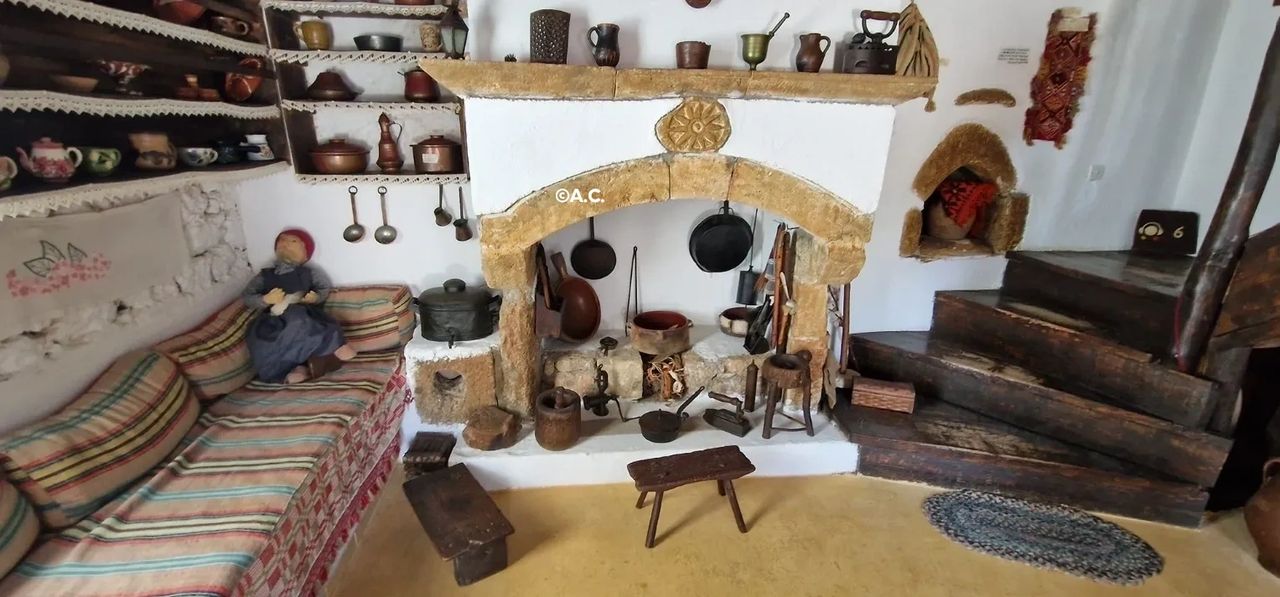
· The objects in the museum can be touched. Watch your children and do not move the objects from their place. When I was there, a family of four from the other side of the world found very funny to sit on the chair near the fireplace (the one in the picture below) and play with the pans and the objects on display, making a huge noise. I told them they are not allowed to do that, but they ignored me. It’s a display of Cretan culture, so please be considerate.
· It is next to a private property, so please obey the “No entry”, “Forbidden” and “private property” signs
There is an exit to the beach, next to the Fisherman’s hut. Use it wisely, as you cannot enter again without paying.
Enjoy the virtual tour 🙂
The Karob mill. There is a button next to it, if you push it, the mill will start 🙂
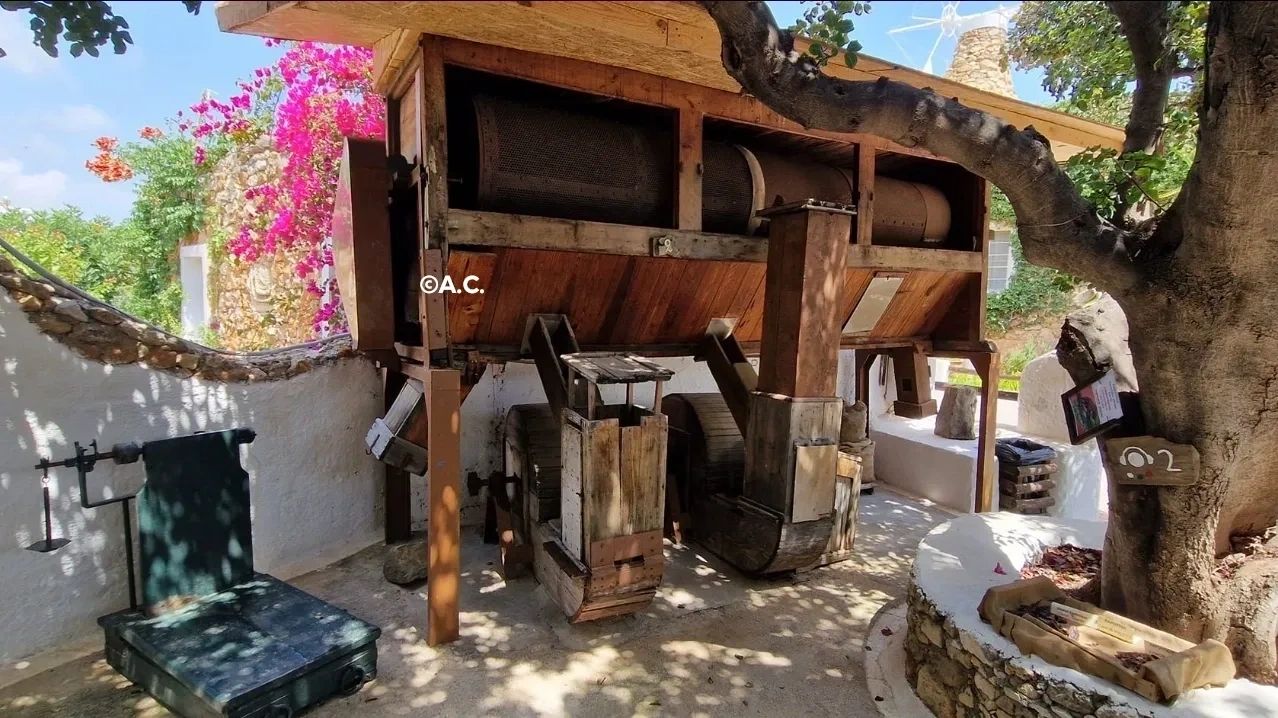
The courtyard, with the herbs garden (on the left)

The Cretan traditional household. The lady weaving and the shirt reminded me of my grandma.
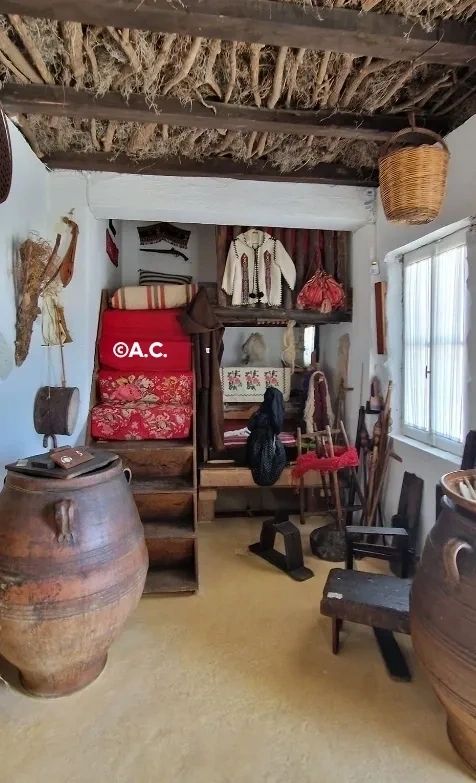
The fireplace. This is where women used to make food, before modern stoves. This where the family I mentioned above played with the objects on display.
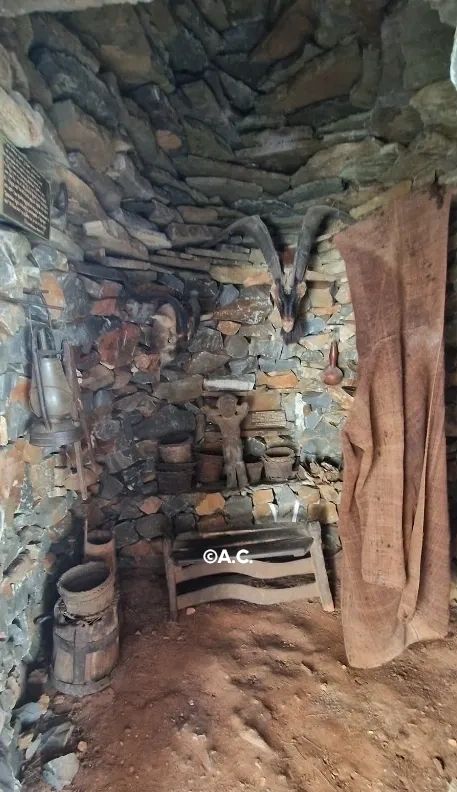
The shepherd’s hut. It reminded me of Nikos Kazantzakis’ novel “Christ Recrucified”
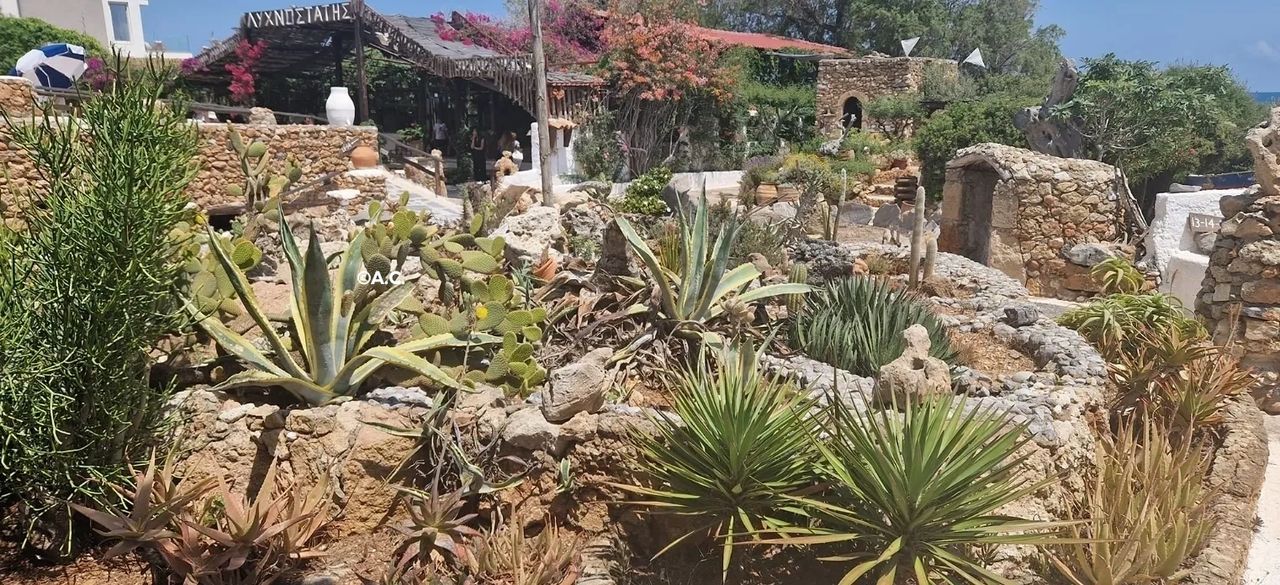
The cacti garden
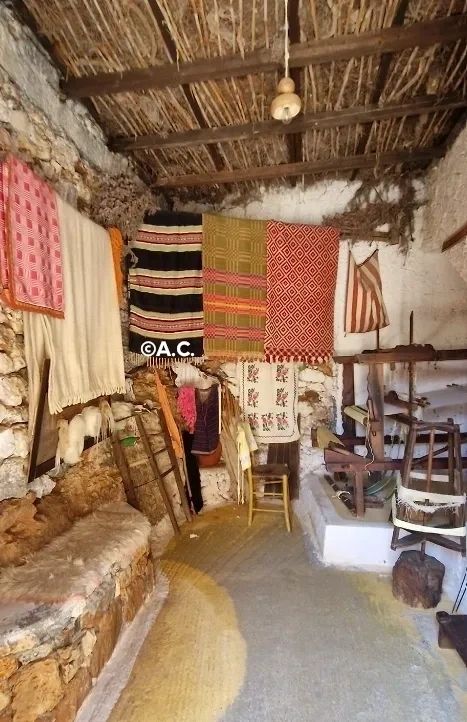
The weaving room. It smelled like my grandparents’ old house, where we were not allowed to enter (only when grandma was cleaning it or needed something from there).
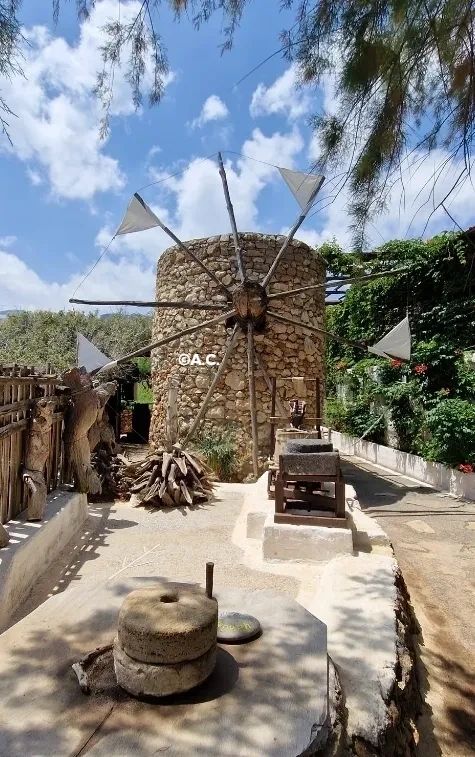
The Windmill
The raki “factory”
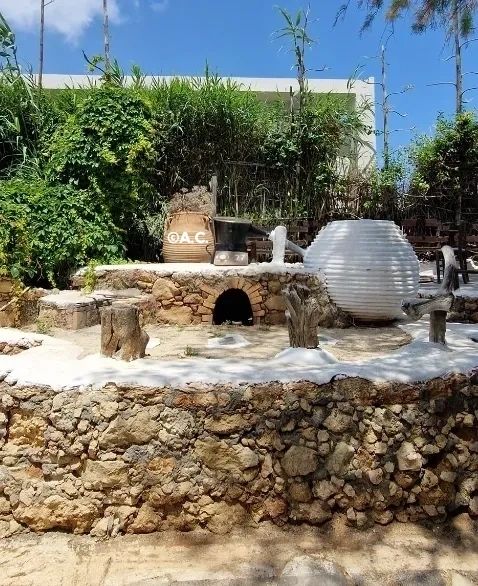
The beekeeper’s house. It smelled of wax and honey, from the displayed candles
 Skyline Stories